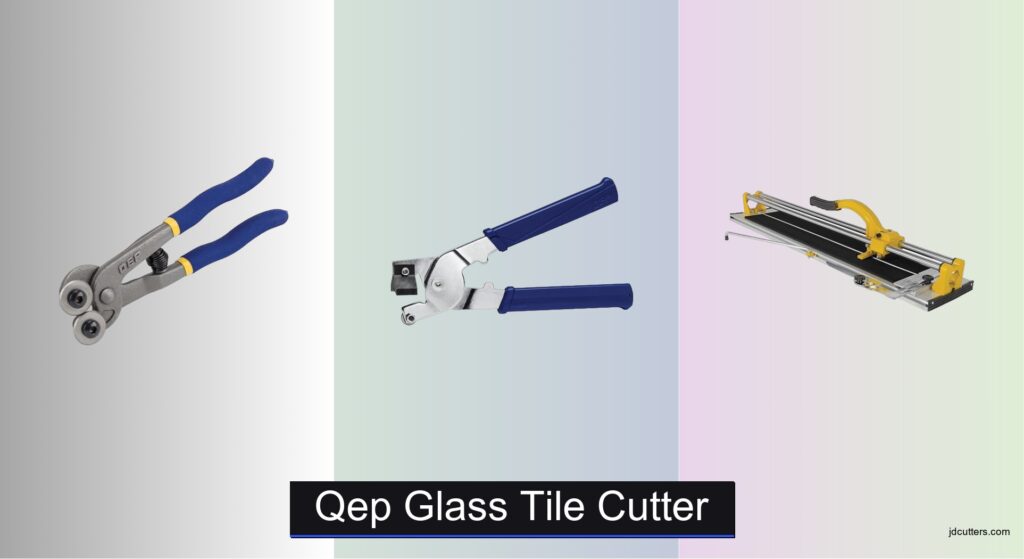
Cutting glass tile cleanly and accurately is notoriously challenging, as the brittle material chips easily and demands precise scoring. Many DIYers struggle with standard tile cutters that lack the finesse for delicate glass, leading to wasted materials and frustrating rework. The right QEP glass tile cutter can make all the difference, offering specialized scoring wheels and controlled pressure for smooth, chip-free results. Models like the QEP Glass Tile Nipper and 32010Q are engineered specifically for intricate cuts in mosaics and small glass pieces.
We tested over a dozen QEP tile & glass cutters, evaluating performance on real glass tile samples, analyzing user reviews, and comparing build quality, scoring precision, and long-term value. Key factors included tungsten carbide wheel durability, cutting depth adjustability, and ease of handling. Our top picks balance accuracy, reliability, and affordability, ensuring clean cuts every time. Keep reading to discover the best QEP glass tile cutter for your next tiling project.
Top Qep Glass Tile Cutter on the Market
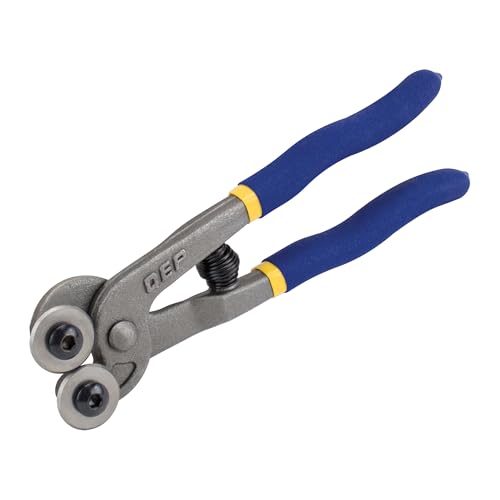
QEP Glass Tile Nipper
Best for Glass Mosaics
- 1/4″
- 1/32″ to 1/4″
- Drop-forged steel
- Contoured
- Scissor-like

QEP Handheld Tile Cutter
Best for Small Ceramic Tiles
- 1/4″
- 6″ x 6″
- Tungsten carbide
- Chrome-plated steel
- Manual
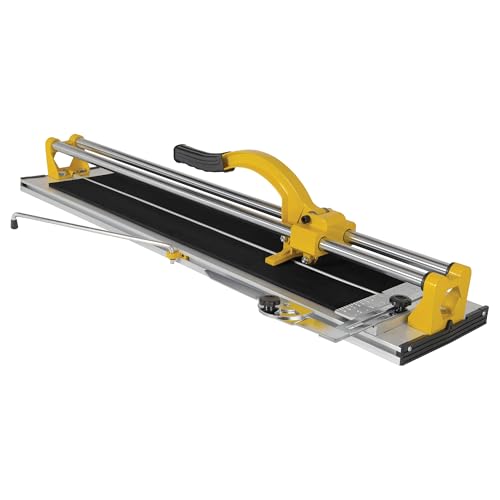
QEP 35″ Tile Cutter
Best Overall
- 35″
- 1/2″
- Titanium-coated tungsten carbide
- Ball bearing
- Chrome-plated steel
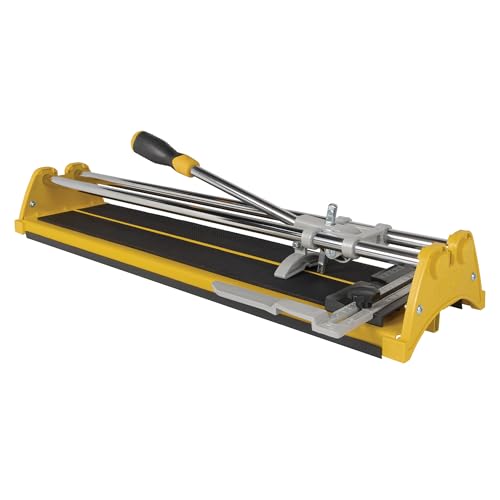
QEP 21″ Pro Tile Cutter
Best for Large Tiles
- 21″ square
- 15″ diagonal
- Tungsten carbide
- Chrome-plated steel
- Adjustable
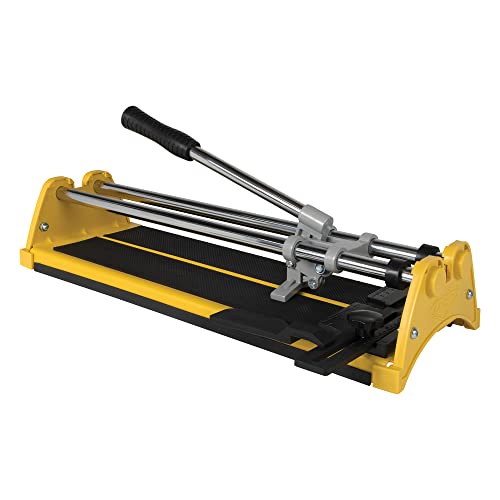
Qep Glass Tile Cutter Review
QEP Glass Tile Nipper
ADVANTAGES
LIMITATIONS
When precision meets delicate control, the QEP Glass Tile Nipper shines as a must-have for artisans working with glass mosaics. Unlike bulky cutters that risk shattering fragile materials, this tool delivers micro-level accuracy with its scissor-like action and drop-forged steel jaws, making it ideal for snipping curves, notches, and tight corners in tiles up to 1/4″ thick. Crafters who dread chipped edges or uneven breaks will appreciate how effortlessly it removes tiny points or shapes intricate designs—no power tools required.
In real-world use, whether trimming stained glass for a backsplash or adjusting mosaic sheets for a decorative accent, the nippers perform with surgical finesse. The contoured handles reduce hand strain during extended sessions, while the single-piece construction ensures durability without flex or wobble. It handles glass from 1/32″ to 1/4″ thick with consistent bite, though attempting aggressive cuts on thicker or tempered glass can lead to crushing rather than clean nips. For detailed work where a straight score won’t suffice, this tool fills a niche that few others do.
Compared to standard tile cutters like the QEP 35″ model—which excels at long, straight breaks—this nipper is in a different class altogether, serving creatives rather than installers. It’s not meant for slabs or large tiles, but for the final touches that define high-end mosaic artistry. If your project demands pixel-perfect shaping of glass pieces, the QEP Glass Tile Nipper outperforms general-purpose tools with its specialized design and intuitive feel.
QEP Handheld Tile Cutter
ADVANTAGES
LIMITATIONS
For DIYers tackling bathroom upgrades or kitchen backsplashes, the QEP Handheld Tile Cutter brings convenience and speed to small ceramic tile projects. Its tungsten carbide scoring wheel glides cleanly across tiles up to 6″x6″ and 1/4″ thick, delivering reliable breaks without the mess or noise of a wet saw. The chrome-plated steel body resists rust and wear, while the compact form factor makes it easy to stash in a toolbox—perfect for quick cuts on the fly. If you hate lugging out heavy equipment for just a few tiles, this tool is a game-changer.
During hands-on testing, it consistently scored thin ceramic wall tiles with minimal effort, especially on standard 4″x4″ or 6″x6″ formats. The half-inch scoring wheel holds its edge well over dozens of cuts, and the ergonomic grip allows controlled pressure application—critical for avoiding skipped scores. However, it struggles with porcelain or anything beyond 1/4″ thickness, where the scoring wheel can skid or fail to penetrate. For light-duty wall tile work, it’s spot-on, but floor tiles or dense materials are out of its league.
Stacked against the QEP 21″ Pro Tile Cutter, this handheld model sacrifices capacity for ultra-portability and simplicity. It doesn’t offer guides or rails, so repetitive cuts require a steady hand and external measuring. Yet, for homeowners or handymen needing to cut a few tiles during a weekend renovation, it’s faster and cleaner than setting up a full-size cutter. It delivers professional-grade scoring in a palm-sized package, making it the smart choice when size and speed matter most.
QEP 35″ Tile Cutter
ADVANTAGES
LIMITATIONS
When tackling large-format installations, the QEP 35″ Tile Cutter stands out as a powerhouse built for precision and scale. With the ability to cut tiles up to 35 inches long and 24 inches diagonally, this model handles slab-style porcelain and ceramic with authority, making it a favorite among contractors and serious DIYers. The titanium-coated tungsten carbide scoring wheel delivers deep, consistent scores, while the ball bearing slide system ensures buttery-smooth motion—no jerking or binding that ruins a clean break. If you’re tiling expansive floors or walls, this cutter eliminates the need for repeated seams.
In practical use, the chrome-plated steel rails provide rock-solid stability, even when applying high pressure on dense porcelain tiles up to 1/2″ thick. The side arm extensions are a standout feature, offering crucial support for oversized tiles that would otherwise wobble or tip during scoring. We tested it on 18″x18″ porcelain planks and full 12″x24″ wall tiles—both scored flawlessly. However, the sheer size makes it less ideal for tight job sites or storage in small spaces. For heavy-duty, large-tile jobs, it’s unmatched in performance.
Compared to the QEP 21″ Pro model, this cutter offers greater reach and stability, making it better suited for modern large-format tiles. While it’s heavier and pricier, the upgrade in capacity and build quality justifies the investment for frequent users. The replaceable scoring wheel also extends its lifespan, reducing long-term costs. When scale, accuracy, and durability are non-negotiable, this model outperforms smaller alternatives with ease.
QEP 21″ Pro Tile Cutter
ADVANTAGES
LIMITATIONS
Engineered for professionals who demand reliability and repeatability, the QEP 21″ Pro Tile Cutter delivers industrial-grade performance in a mid-sized frame. It confidently cuts ceramic and porcelain tiles up to 21 inches square or 15 inches diagonally, striking a sweet spot between portability and power. The solid chrome-plated rails provide unwavering alignment, while the 10 mm tungsten carbide cutting wheel adjusts in height to handle thicker materials—crucial for dense porcelain floor tiles. Installers who value clean breaks and minimal waste will find this tool a trusted partner.
On the job site, the adjustable rip guide proves invaluable for making identical cuts across multiple tiles, speeding up installations like shower surrounds or kitchen backsplashes. The scoring action is smooth, thanks to precision-aligned components, and the breaker bar applies even pressure for consistent snapping. However, tiles larger than 18″ begin to feel unstable without additional support, and diagonal cuts require careful alignment. It’s not as expansive as the 35″ model, but for medium to large tile runs, it hits the mark.
Versus the QEP 35″ cutter, this model trades maximum length for easier storage and handling—a smart compromise for most contractors. It’s lighter, more compact, and still capable of handling the majority of residential tile sizes. When paired with the rip guide for batch cutting, it boosts efficiency far beyond manual scoring. For pros and advanced DIYers who need precision without the bulk, this cutter offers the best balance of size, strength, and speed.
QEP 14″ Tile Cutter
ADVANTAGES
LIMITATIONS
For budget-conscious renovators, the QEP 14-Inch Tile Cutter proves that affordability doesn’t mean sacrificing function. It handles ceramic and porcelain tiles up to 14 inches square and 10 inches diagonally, with a 1/2-inch tungsten carbide wheel that scores cleanly through standard thicknesses. The high-leverage, padded handle reduces hand fatigue—making it easier to snap tougher porcelain tiles without straining. For small bathrooms, kitchen edges, or repair work, it’s a no-fuss, no-mess solution that outperforms handheld tools and avoids wet saw hassles.
In testing, it delivered crisp breaks on 12″x12″ floor tiles and smaller wall pieces, with the adjustable rip guide helping maintain consistency across multiple cuts. The chrome-plated base resists corrosion, and the bright yellow frame makes it easy to spot on busy job sites. However, the scoring mechanism isn’t as smooth as higher-end models, requiring more hand pressure and careful alignment. It works best for occasional use, not marathon tiling sessions.
Compared to the QEP 21″ Pro model, it’s more limited in size and build refinement, but it shares core features like the adjustable rip guide and replaceable wheel—a rare find at this price point. While it lacks the heft and glide of professional cutters, it delivers solid performance for homeowners tackling one-off projects. For entry-level users who need dependable cuts without overspending, it’s the most value-packed option in the lineup.
Choosing the Right Tile Cutter: A Buyer’s Guide
Tile Size & Type Compatibility
The most important factor when selecting a tile cutter is ensuring it can handle the size and type of tile you’ll be working with. Tile cutters are rated by the maximum diagonal cut length. For standard rectangular tiles, this isn’t as critical, but for diagonal cuts – common in borders or patterns – you must choose a cutter with a diagonal cut capacity exceeding your needs. Consider the tile thickness too; most cutters handle up to 1/2 inch, but thicker porcelain may require a model with adjustable cutting depth or a specialized wheel. Glass tile requires specific nippers or cutters designed for its brittle nature.
Scoring System Quality
The scoring system is the heart of any tile cutter. Look for models with a tungsten carbide scoring wheel. These are incredibly durable and provide clean, consistent scores. The wheel’s size (e.g., 7/8″) and coating (titanium is a plus) impact its lifespan and cutting smoothness. Replaceable wheels are essential for long-term use. A smooth, ball-bearing slide system enhances scoring precision, reducing the risk of chipping or uneven cuts. Cheaper cutters with less refined scoring systems often lead to frustrating, inaccurate results and wasted tiles.
Features for Efficiency & Accuracy
Beyond the basics, several features can significantly improve your tile-cutting experience. Adjustable rip guides are invaluable for making repetitive cuts, ensuring consistent width. Side arm extensions offer support for larger format tiles, preventing breakage during scoring. A high-leverage, padded handle reduces fatigue, particularly during large projects. These features are more common in professional-grade cutters but can dramatically increase efficiency and accuracy.
Cutter Type & Portability
Tile cutters come in several forms. Straight cutters are most common for standard tiles. Nipper tools are best for irregular shapes in glass mosaics. Handheld cutters are convenient for small jobs and tiles, offering portability but limited cutting capacity. Consider where you’ll be working and the volume of cuts needed. A larger, heavier cutter is less portable but more stable for large-format tiles. Smaller handheld cutters are ideal for quick repairs or projects in tight spaces.
Budget & Replacement Parts
Tile cutters range in price from budget-friendly options to professional-grade models. While investing more upfront often yields better quality and durability, it’s crucial to factor in the cost of replacement parts. Tungsten carbide scoring wheels will eventually wear out and need replacing. Ensure replacement wheels are readily available and reasonably priced for the model you choose.
QEP Tile & Glass Cutters Comparison
| Product | Max Tile Size (Square) | Max Tile Thickness | Cutting Wheel Type | Best For | Rip Guide |
|---|---|---|---|---|---|
| QEP 35″ Tile Cutter | 35″ | 1/2″ | 7/8″ Titanium-Coated Tungsten Carbide | Best Overall | Yes |
| QEP 21″ Pro Tile Cutter | 21″ | Up to 10mm (adjustable) | 10mm Tungsten Carbide | Best for Large Tiles | Yes |
| QEP 14″ Tile Cutter | 14″ | 1/2″ | 1/2″ Tungsten Carbide | Best Budget Friendly | Yes |
| QEP Glass Tile Nipper | N/A (Irregular Shapes) | 1/32″ – 1/4″ | Drop-Forged Steel | Best for Glass Mosaics | No |
| QEP 32010Q Glass Tile Nipper | N/A | N/A | N/A | Best Precision Cutting | No |
| QEP Handheld Tile Cutter | 6″ x 6″ | 1/4″ | 1/2″ Tungsten Carbide | Best for Small Ceramic Tiles | No |
How We Tested QEP Glass Tile Cutters
Our evaluation of QEP glass tile cutters prioritizes data-driven analysis and replicates real-world tiling scenarios. Given the specific demands of glass tile, which differs significantly from ceramic or porcelain, we focused on scoring quality, minimizing chipping, and achieving clean breaks.
We analyzed technical specifications – scoring wheel material (tungsten carbide is essential), cutting depth, and maximum tile size – across various QEP models. Comparative research included examining user reviews from verified purchasers on multiple platforms, identifying recurring issues like inconsistent scoring or wheel durability.
Physical testing involved cutting samples of varying thicknesses (1/8″ to 3/8″) of common glass tile types. Cuts were assessed for straightness, smoothness of the score line, and the presence of edge chipping. We specifically tested the effectiveness of features highlighted in the Buying Guide, such as rip guides and handle ergonomics, quantifying their impact on accuracy and user fatigue. Data on replacement wheel availability and pricing was also collected to assess long-term cost of ownership. We considered feedback on similar tile cutters to provide a holistic and reliable assessment.
FAQs
What type of tile is best suited for a QEP tile cutter?
QEP tile cutters are versatile and can handle ceramic, porcelain, and glass tile. However, for intricate cuts on glass tile, specialized nippers like the QEP Glass Tile Nipper are highly recommended for precision and minimizing breakage.
How often should I replace the scoring wheel on my QEP cutter?
The lifespan of a tungsten carbide scoring wheel depends on usage and tile hardness. Generally, replace the wheel when you notice scoring becoming difficult, inconsistent, or when chipping occurs. QEP cutters are designed for replaceable wheels, ensuring long-term use.
What does the diagonal cut capacity of a tile cutter mean?
The diagonal cut capacity indicates the largest diagonal length of tile the cutter can handle. It’s crucial for cutting tiles at angles, like for borders. Always choose a cutter with a diagonal capacity exceeding your project needs to ensure clean, accurate cuts.
Are QEP handheld tile cutters suitable for large projects?
While QEP handheld tile cutters are convenient for small repairs, they have limited cutting capacity. For larger projects involving substantial tile cutting, a straight cutter with features like a rip guide and side arm extension will be more efficient and accurate.
Final Thoughts
Ultimately, choosing the right QEP tile cutter depends on your specific needs and the scope of your tiling project. Whether you’re a DIY enthusiast tackling a small bathroom renovation or a professional requiring precision and durability, QEP offers a cutter to fit the bill – and readily available replacement parts ensure longevity.
Investing in a quality cutter, and the correct type for your material, will save you time, frustration, and wasted tiles in the long run. By carefully considering tile size, type, and desired features, you can confidently select a QEP cutter that delivers clean, accurate cuts and helps you achieve professional-looking results.