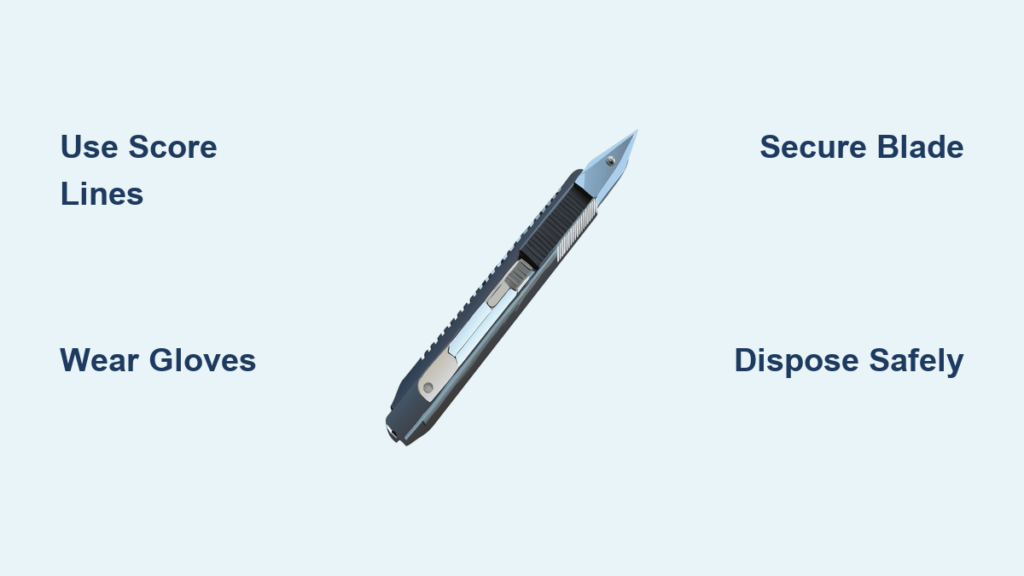
Your box cutter just stopped slicing cleanly through cardboard, and you’re reaching for a new one. Stop! That dull blade isn’t trash—it’s five minutes away from being razor-sharp again. Most warehouse workers toss perfectly good utility knives because they don’t know blades are replaceable, costing companies hundreds in unnecessary replacements. Learning how to replace box cutter blade properly means never buying another knife when the old one dulls.
This guide transforms blade replacement from a mystery into a two-minute routine. You’ll learn the exact steps to swap blades safely, keep spares organized, and maintain peak cutting performance without ever buying another box cutter. Whether you’re handling hundreds of packages daily or just opening the occasional shipment, mastering this skill saves time, money, and prevents workplace injuries.
Essential Tools for Safe Box Cutter Blade Replacement

What You Need Before Starting:
– Correct-sized Phillips head screwdriver (most utility knives use #1 or #2)
– Dedicated blade disposal container (never use regular trash cans)
– Well-lit workspace with no clutter
– Clean cloth for handling blades
Critical Safety Prep: Clear your workspace of all loose items before beginning. Keep your disposal container within arm’s reach at all times. One misplaced blade can cause serious injury—these edges are sharper than surgical scalpels and just as dangerous when mishandled.
Opening Your Utility Knife Correctly
Finding the Retaining Screw
Locate the single Phillips head screw on the side of your box cutter handle. This screw is your gateway to blade access and varies slightly by model—some sit flush with the handle while others protrude slightly. If you’re working with a heavy-duty metal cutter, the screw might be recessed deeper than on plastic models.
Separating Handle Halves Without Damage
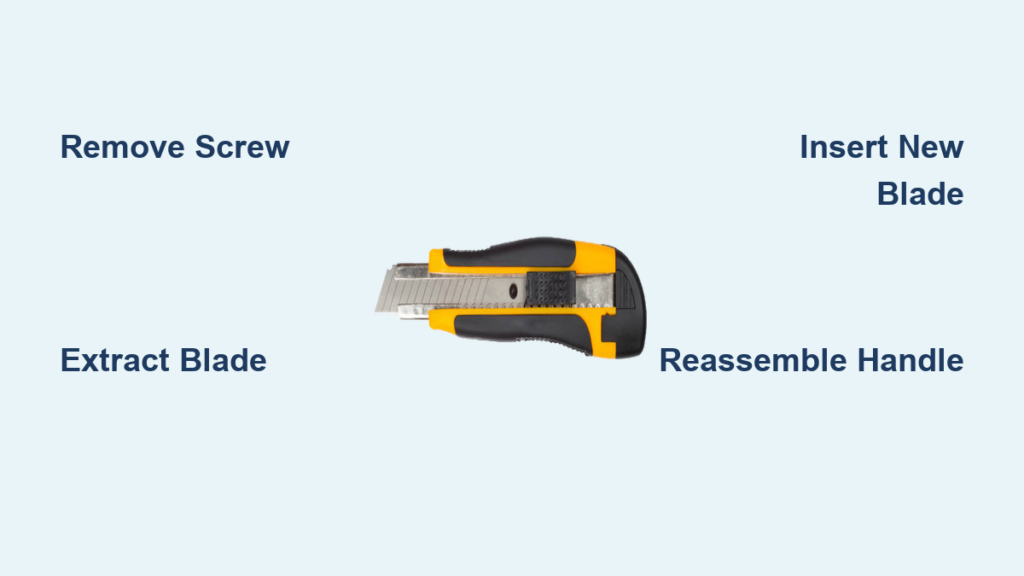
Remove the screw completely, then gently work the handle apart using your thumbs along the seam. Never force it—if resistance occurs, double-check that you’ve removed all fasteners. The knife will separate into top and bottom sections, revealing these critical components:
– Handle halves (top and bottom)
– Blade housing assembly
– Spare blade storage compartment
– Retaining screw
– Current cutting blade
Removing Dull Blades Without Injury
Extracting the Blade Assembly
Lift the blade housing from the handle bottom with controlled movements. Pay close attention to how the blade sits in its housing—note the direction of the cutting edge and how it aligns with the housing notches. This orientation is critical for proper installation of your new blade and varies between knife models.
Safe Disposal Protocol
Immediately drop the old blade into your dedicated disposal container as soon as it leaves the housing. Never set it down—even for “just a second” while you grab something. Warehouse accidents happen fastest when workers get complacent with sharp objects. If your facility doesn’t provide proper blade disposal containers, speak to your supervisor immediately—this is a serious safety violation.
Installing Fresh Blades Properly

Accessing Replacement Blades Safely
Pull the small blade pack from its storage slot inside the handle. These packs typically contain 3-5 new blades wrapped in protective paper. Unwrap only one blade at a time using the paper as a barrier between your fingers and the sharp edge. Return unused blades to storage immediately after removing your replacement.
Positioning the New Blade Correctly
Slide the fresh blade into the housing using the exact same orientation as the old blade. Most utility knives use a two-notch system—these must align precisely with corresponding slots in the housing. The blade should seat firmly without wobbling. If it feels loose or requires force to insert, you’ve likely installed it backward or misaligned the notches.
Pro Tip: Before inserting the blade, check that the cutting edge faces the correct direction—toward the front of the knife where it will extend during use. Installing it backward creates a dangerous situation where the blade might not extend properly or could dislodge during cutting.
Reassembling Your Box Cutter Safely
Rebuilding Components in Proper Order
Place the blade and housing back into the handle bottom, ensuring spare blades are properly stored and won’t interfere with the blade housing mechanism. Many workers accidentally leave spare blades loose inside the handle, which can jam the mechanism or cause blades to shift during use.
Securing the Handle Without Damage
Align both handle halves perfectly before inserting the screw. Begin tightening slowly—this is where most mistakes happen. Tighten only until snug. Over-tightening compresses the handle and can seize the blade mechanism, making your cutter impossible to operate. Think “finger tight plus a quarter turn” as your maximum torque.
Testing and Fine-Tuning Your Repaired Cutter
Checking Blade Operation
Open and close the cutter several times before using it on actual boxes. The blade should slide smoothly with comfortable resistance—not so loose that it wobbles, nor so tight that it requires excessive force. If the mechanism feels stiff, back off the screw slightly; if too loose, tighten incrementally.
Verifying Cutting Performance
Make a test cut on cardboard—never test on your hand or fingers. A properly installed blade slices cleanly without requiring excessive pressure. If you need to push hard or the blade catches and tears the material, the blade likely isn’t seated correctly. Disassemble and check the orientation before continuing.
Building Speed With Practice
Mastering Quick Replacement
Your first blade replacement might take five minutes, but with practice, you’ll reduce this to under two minutes—faster than hunting down a new knife during peak shipping hours. Time yourself during practice sessions to build speed while maintaining safety standards.
Creating an Efficient Workflow
Designate specific times for blade replacement—like during shift changes or before starting a new pallet of boxes. Keep your tools organized in a dedicated “blade station” with proper disposal containers. This prevents the dangerous habit of workers trying to change blades while standing near moving equipment or conveyor belts.
Universal Application Across Knife Models
This process applies to 95% of metal and heavy-duty plastic utility knives found in warehouses. While screw positions and housing designs vary slightly between brands like Stanley, Husky, and Milwaukee, the fundamental steps remain identical. For unusual models with spring-loaded mechanisms or push-button releases, consult manufacturer instructions—but most standard box cutters follow these exact patterns.
Critical Variation Note: Some newer box cutters feature blade ejection systems instead of screw assemblies. If your model has a button or lever for blade changes, never force it open with tools—this indicates a specialized replacement procedure requiring manufacturer guidance.
Cost-Saving Maintenance Schedule
Replace blades weekly in high-use environments where workers handle 50+ boxes daily. In moderate-use settings (10-20 boxes), change blades bi-weekly. This schedule maintains peak performance while preventing the safety hazards of working with dangerously dull blades that require excessive force.
Warehouse Manager Tip: Implement a “blade specialist” system where one trained employee handles all blade replacements during shift changes. This ensures consistent, safe blade swaps across your facility and eliminates downtime from workers struggling with dull cutting tools. Track your savings—most warehouses recover the training investment within two months through reduced tool replacement costs.
Mastering how to replace box cutter blade transforms a routine maintenance task into a significant operational advantage. You’ve now learned the complete process from safe disassembly to proper testing, plus pro tips for building speed without compromising safety. Implement this knowledge immediately—your next dull blade doesn’t mean grabbing a new cutter, but rather taking two minutes to restore perfect cutting performance. Keep this guide handy until the process becomes second nature, and remember: proper blade replacement isn’t just about saving money—it’s about protecting yourself and your coworkers from preventable injuries.