
Your brush cutter blade isn’t just a spinning disc—it’s the difference between clearing an overgrown lot in an hour versus fighting tangled vines until dusk. Pick the wrong grass cutter blade types and you’ll burn through fuel while saplings wrap around your spindle. Choose correctly and dense blackberry thickets fall like wheat. This guide cuts through the confusion: exactly which grass cutter blade types conquer specific vegetation, how to decode part numbers for your machine, and why tooth count matters more than diameter when facing stubborn growth. You’ll learn to match blades to vegetation like a pro, avoid dangerous vibration issues, and extend blade life through proper maintenance.
3-Tooth Blade: Brush Clearing Beast
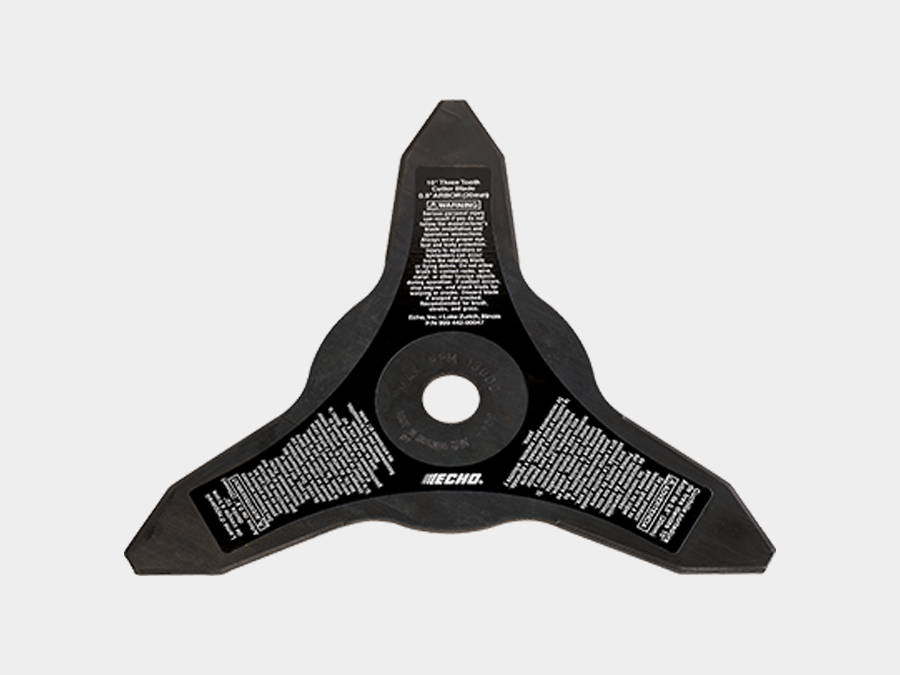
Cut Saplings Under ¾ Inch with Raw Power
The triangular tooth arrangement of 3-tooth blades (part numbers 41-920, 41-921, 41-939, or universal 295494-0) delivers maximum bite force where finesse isn’t needed. Each heavy-duty tooth rips through thick grass and woody stems up to 20mm diameter by taking aggressive chunks of material. Unlike finer blades that slice, this configuration chews through material—making it essential for clearing abandoned lots or established bramble patches. Stihl, Husqvarna, and Echo users confirm the 295494-0 “One-For-All” blade works across brands when paired with its included reducer washers.
When to Choose 3-Tooth Over Other Grass Cutter Blade Types
- Clearing overgrown lots with mixed brush and young saplings
- Tackling blackberry thickets where stems exceed 15mm diameter
- Mowing tall fescue gone wild (over 18 inches tall)
- Operating brush cutters 30cc or larger that generate sufficient torque
Critical safety note: The aggressive bite creates significant vibration that fatigues arms quickly. Always wear anti-vibration gloves during sessions exceeding 15 minutes to prevent hand-arm vibration syndrome.
4-Tooth Blade: Balanced Performance for Mixed Terrain
Smooth Operation on Transition Zones
Four evenly spaced teeth (exemplified by part number 41-923) reduce vibration by 30% compared to 3-tooth blades while maintaining serious cutting capability. This grass cutter blade type handles tall grasses and woody brush up to 25mm diameter without bogging down during transitions between vegetation types. Look for the distinctive symmetrical tooth pattern—any visible imbalance indicates damage. The balanced rotation makes it ideal for fence line maintenance where you constantly shift from grass clumps to woody stems.
Ideal Applications for 4-Tooth Blades
- Maintaining property boundaries with mixed grass and brush
- Cutting reed beds near ponds where moisture increases resistance
- Managing transition zones between lawns and wild areas
- Operators using mid-sized cutters (25-40cc) who need smoother operation
Pro tip: If your 4-tooth blade starts vibrating excessively, immediately shut down and inspect for bent teeth—this often occurs when hitting hidden rocks in overgrown areas.
8-Tooth Blade: Dense Grass Specialist
Achieve Lawn-Quality Results in Heavy Growth
Eight staggered teeth (part number 41-925) create a mowing effect rather than chopping action, producing finer clippings that decompose faster. This grass cutter blade type excels at dense grasses like bamboo muhly or heavy weed growth where finish quality matters, but avoid using it on stems over 15mm diameter. The reduced vibration allows comfortable operation with smaller cutters under 30cc—perfect for residential users restoring meadows or trimming ornamental grasses.
Best Use Cases for Maximum Efficiency
- Overgrown meadow restoration requiring neat appearance
- Tall ornamental grasses like pampas or switchgrass
- Areas adjacent to gardens where flying debris must be minimized
- Smaller brush cutters where vibration control is critical
Visual cue: Check for uniform tooth wear—if some teeth are significantly shorter, replace the blade to maintain cutting consistency.
XRT 20 & 22-Tooth Blades: Fibrous Material Destroyers
Shred Palm Fronds and Vines Without Tangles
The XRT tooth pattern—20 teeth on part 41-927, 22 teeth on 41-929—features closely spaced chisel-style teeth engineered to tear through fibrous materials that wrap standard blades. Palm fronds, kudzu vines, and brambles get shredded into medium mulch rather than coiling around your spindle. The 20-tooth version handles vines under 30mm diameter with maximum shredding action, while the 22-tooth model manages mixed vegetation up to 35mm with slightly smoother operation.
XRT Performance Features You Can’t Ignore
- 20-tooth blades create finer mulch for rapid decomposition in compost areas
- 22-tooth blades provide better balance for extended cutting sessions
- Both designs prevent material wrapping—a common frustration with 3-4 tooth blades
- Critical inspection point: Check for chipped teeth after cutting palm fronds, as their fibrous nature accelerates wear
Pro tip: After cutting vines, immediately clean the blade with a wire brush—resin buildup reduces cutting efficiency by up to 40%.
EIA 22 & 24-Tooth Blades: Professional Tree Work Solutions
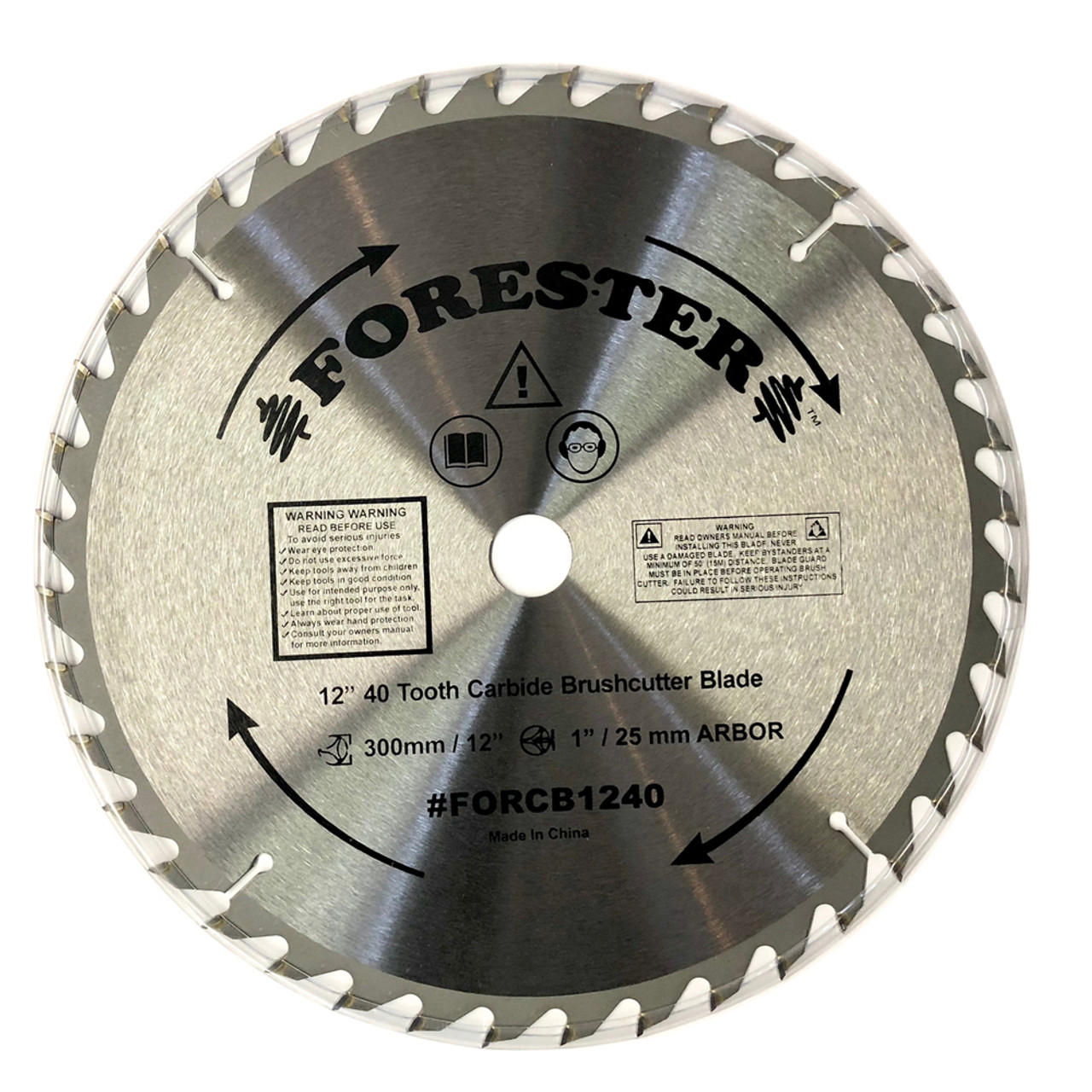
Slice Through Hardwood Stems Like a Mini Chainsaw
Carbide-tipped EIA teeth (22-tooth: 41-930/41-931; 24-tooth: 41-932/41-933) deliver surgical precision on woody growth. The 22-tooth versions cleanly cut limbs up to 38mm diameter, while 24-tooth models handle hardwood stems up to 50mm. Unlike standard blades that crush wood, the carbide tips create clean cuts that promote faster healing on live trees—essential for roadside maintenance crews and forestry work.
Professional Applications Where EIA Blades Shine
- Roadside vegetation control on highway corridors
- Forest undergrowth management without damaging saplings
- Orchard floor maintenance where fallen limbs accumulate
- Hardwood areas with oak, maple, or hickory saplings
Critical safety step: Always verify your cutter’s cc rating matches the blade—EIA blades require 40cc+ machines to prevent stalling when cutting thick stems.
MAXI 22 & 24-Tooth Blades: Lawn-Quality Finish Experts
Transform Rough Edges into Pristine Borders
The MAXI design’s maximum tooth density (22-tooth: 41-935; 24-tooth: 41-936/41-937) creates microscopic clippings that virtually disappear into the soil. This grass cutter blade type delivers true lawn-mower quality results from a brush cutter, making it indispensable for maintaining ornamental grasses or creating seamless transitions between mowed areas and wild vegetation. The ultra-fine mulch reduces regrowth rates by thoroughly shredding plant material.
When MAXI Blades Justify Their Premium Cost
- High-visibility areas like parks or commercial properties
- Lawn edges where brush cutter meets mower lines
- Native grass restoration requiring minimal soil disturbance
- Sloped terrain where fine mulch prevents erosion
Maintenance secret: Clean MAXI blades after each use—clogged teeth dramatically reduce their signature fine-cut performance.
Oregon 10″ Universal Blade: Eliminate Adapter Headaches
Dual-Fit Mounting for Maximum Compatibility
The Oregon 634086 solves universal mounting headaches with dual center holes (0.75″ and 1″) built directly into the blade. This 10-inch diameter blade fits most 25-52cc cutters without adapters—covering everything from light grass to moderate brush. Unlike universal reducer washers that can slip, this integrated design ensures perfect alignment on Stihl FS series, Husqvarna 300-series, Echo SRM models, Kawasaki KT series, and Mitox units.
Compatibility Checklist Before Installation
- Confirm arbor size: Measure your machine’s spindle diameter (20mm is most common)
- Check cc rating: 25-52cc gas cutters only—avoid on electric models
- Verify rotation direction: Teeth must face cutting direction (usually counter-clockwise)
- Inspect gearbox: Ensure no previous wobble damage from improper blades
Warning: Never force a universal blade onto an incompatible machine—misalignment causes dangerous vibration.
Mounting Made Simple: Avoid Costly Mistakes

Identify Your Arbor Size Correctly
Check your manual for arbor specifications before purchasing blades:
– 20mm (0.79″): Standard for most consumer-grade Stihl and Husqvarna cutters
– 25.4mm (1″): Common on commercial-grade Husqvarna and Echo units
– 25mm (0.98″): Typical for European brands like Stiga and Zenoah
Pro tip: If your manual is missing, measure the spindle diameter with calipers—never guess, as mismatched sizes cause catastrophic failure.
Universal Washer System Explained
Part 295494-0 includes stepped reducer washers that adapt to all three arbor sizes. These precision-engineered washers seat the blade perfectly regardless of spindle diameter, eliminating wobble and premature wear. The outer step fits 25.4mm arbors, middle step for 25mm, and inner step for 20mm—simply flip the washer to match your machine.
Critical Installation Steps
- Disconnect spark plug wire—this prevents accidental starts during installation
- Clean arbor threads thoroughly with a wire brush to remove grass resin
- Select correct washer step matching your arbor size
- Install blade with teeth facing rotation direction (check manual for arrow diagram)
- Torque bolt to exact specification—typically 25-30 ft-lbs (under-tightening causes slippage)
- Reconnect spark plug only after verifying blade spins freely
Danger zone: Never use standard washers—improper seating creates dangerous vibration that can snap the spindle.
Blade Selection Cheat Sheet: Stop Guessing
| Vegetation Challenge | Correct Blade Type | Key Part Numbers |
|---|---|---|
| Light grass/weeds under 10″ tall | 8-tooth | 41-925 |
| Mixed brush & tall grass (10-24″) | 4-tooth | 41-923 |
| Saplings ½-¾” diameter | 3-tooth | 41-920 series |
| Vines/palm fronds under 1.5″ | XRT 20-22 | 41-927, 41-929 |
| Small trees ≤1.5″ diameter | EIA 22-24 | 41-930 series |
| Lawn-quality finish required | MAXI 22-24 | 41-935 series |
Troubleshooting Common Blade Failures
Excessive Vibration: Immediate Action Required
Cause: Bent blade or missing teeth from hitting rocks
Solution: Shut down immediately—never attempt field repairs. Replace the blade and inspect the spindle for damage. Continuing operation can destroy your gearbox.
Poor Cutting Performance: Wrong Tool for the Job
Cause: Using an 8-tooth blade on saplings over 15mm diameter
Solution: Match tooth count to vegetation—3-tooth for saplings, MAXI for fine grass. For mixed growth, keep two blades on hand and swap as terrain changes.
Blade Won’t Tighten: Hidden Compatibility Issue
Cause: Worn center hole or incorrect reducer washer size
Solution: Replace both blade and washer kit. Never overtighten to compensate—this strips arbor threads.
The right grass cutter blade types transform your machine from a frustrating obstacle into a precision clearing tool. Match tooth count to vegetation density—3 teeth for saplings, 8 for grass, MAXI for lawn edges—and never compromise on proper mounting. Always carry a spare blade suited to your toughest vegetation, clean teeth after each use, and inspect for wear before starting work. With this knowledge, you’ll cut through overgrowth efficiently while extending both blade and machine life. For ongoing success, keep this cheat sheet visible in your workshop and rotate blades based on daily vegetation challenges.