Your lawn won’t wait for expensive equipment rentals when you need to transform that patchy grass into a vegetable garden or patio space. Learning how to cut sod without a sod cutter puts you in control with tools you already own, saving hundreds while delivering professional results. This proven method works for Bermuda, St. Augustine, or any grass type—no specialized machinery required. By the end of this guide, you’ll know exactly how to remove sod cleanly, transplant it successfully, and prepare your soil for immediate replanting.
Skipping manual sod cutting often leads to wasted money on rentals and frustration with uneven removal. But with sharp spades, proper preparation, and these field-tested techniques, you’ll create crisp edges and reusable turf pads in half the time. Let’s dive into the exact process that turns intimidating projects into satisfying weekend accomplishments.
Sharp Spade and Wheelbarrow: Your Essential Manual Sod Cutting Toolkit
Forget complex machinery—your success hinges on three fundamental tools kept razor-sharp. A D-handled flat garden spade slices through roots with minimal effort when its edge glides cleanly through soil. Pair it with a standard spade shovel for leverage during lifting, and a sturdy wheelbarrow to transport heavy sod rolls without straining your back.
Critical equipment checklist:
– Sharp flat spade (D-handle for optimal grip)
– Work gloves (leather to prevent blisters)
– 25-foot tape measure and twine (for precision marking)
– Water-based spray paint (creates visible cutting guides)
Skip these common mistakes:
– Using dull tools that tear grass instead of cutting cleanly
– Skipping knee pads for extended kneeling sessions
– Forgetting steel-toed boots when prying heavy sod
Water and Mark: Preparing Your Lawn for Manual Sod Cutting
Moisture makes or breaks your manual cutting success. Water your target area thoroughly 1-3 days before cutting—enough to soften soil but not create mud. Ideal conditions feel like a damp sponge: soil clumps together when squeezed but crumbles easily. This simple step reduces physical effort by 40% and prevents ragged edges.
Precision marking techniques:
1. Drive stakes at each corner of your removal zone
2. Stretch twine between stakes and spray paint along the line
3. Double-check squareness by measuring equal diagonals
4. Mow grass to 1-inch height for clearer cutting visibility
Avoid these preparation pitfalls:
– Cutting when soil is bone-dry (doubles required force)
– Skipping utility line checks (call 811 first!)
– Overlooking sprinkler heads that damage spade edges
Step-by-Step: How to Cut Sod Strips Without a Sod Cutter

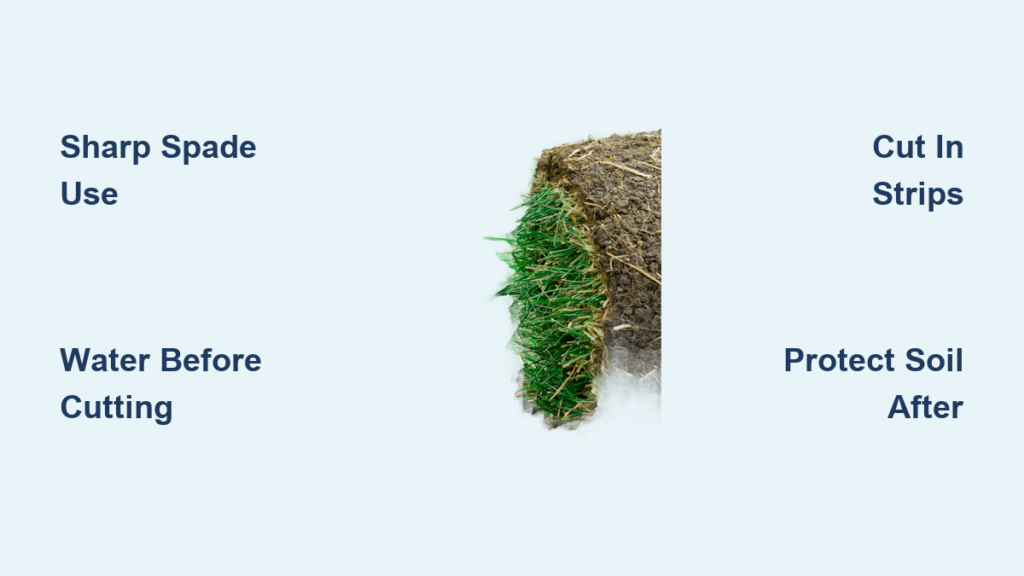
Start at the farthest edge of your work area and cut backwards toward yourself—this prevents stepping on fresh cuts. Create strips 12-18 inches wide (matching your shovel blade length) for manageable handling. Insert your spade vertically along marked lines to full blade depth, applying steady downward pressure.
Root-severing method for clean removal:
– Kneel beside your cut strip and position spade horizontally
– Slice through roots at 1-2 inch depth using gentle rocking motion
– Maintain blade parallel to ground for uniform thickness
– Pry up leading edge with foot on spade for leverage
Pro tip for heavy sod: Roll sections soil-side-out as you lift, transferring immediately to wheelbarrow. Work strip-by-strip—never pre-cut multiple widths—to maintain clean edges. If grass resists rolling, your cut depth is too shallow; adjust to 2 inches for Bermuda’s thick runners.
Slopes and Rocks: Cutting Sod Without a Sod Cutter on Tough Ground
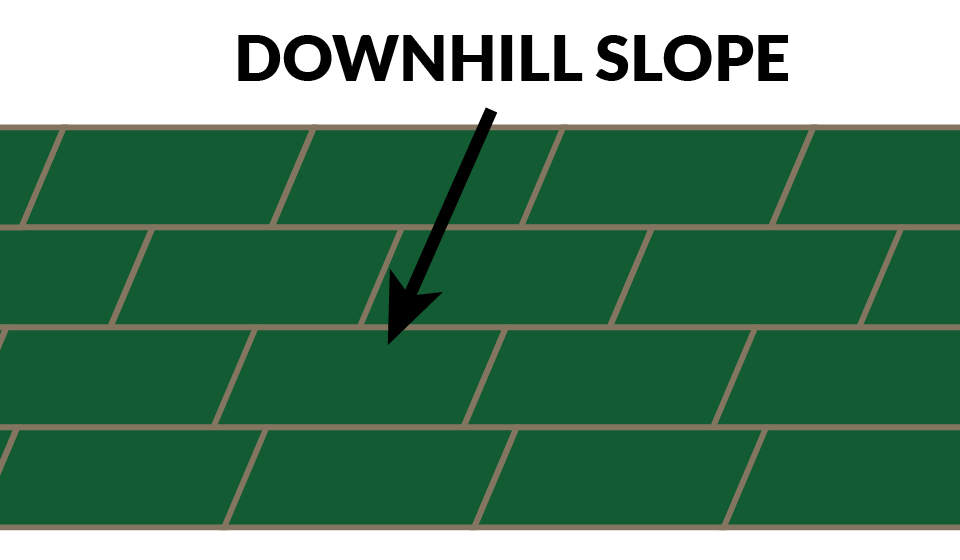
Uneven terrain demands technique adjustments. On slopes, cut horizontally across the incline (not vertically) to prevent soil erosion. Use shorter 12-inch sod pads for better stability and reduce cutting depth near embedded rocks.
Rocky soil solutions:
– Remove visible stones before cutting
– Shorten pad lengths to 12 inches maximum
– Use pry bar for stubborn stones after undercutting
– Make multiple shallow passes instead of one deep cut
Around obstacles: Leave 6-12 inches of buffer around tree trunks. Near sprinkler heads, reduce depth to 0.5 inches and use hand-cutting precision. Curve edges naturally to blend with existing landscape—never force straight lines against tree roots.
Keep Sod Alive: Transplanting Tips After Manual Cutting
Freshly cut sod dies within hours if mishandled. Stack pads grass-to-grass in your wheelbarrow to retain moisture, and unroll sections every 12 hours during hot weather. Never leave sod in direct sun—the ideal transplant window is under 24 hours for best survival rates.
Transplant site prep checklist:
– Remove debris and rough-grade to desired contours
– Amend soil to 4-6 inch depth with compost
– Test pH (aim for 6.0-7.0 range) before laying
– Lay pieces tightly with staggered joints like brickwork
Critical mistake to avoid: Walking on newly laid sod. Wait 2-3 weeks before light foot traffic to allow root establishment. Water immediately after installation, keeping soil moist but not saturated.
How Long Does Cutting Sod Without a Sod Cutter Take?

Time estimates vary by terrain but follow this reliable formula: 100 square feet takes 2-3 hours for one person. Factor in these variables:
– Rocky soil: Adds 30-50% more time
– Bermuda grass: Requires deeper cuts (2-3 inches)
– Team efficiency: Two people cut 500 sq ft in 4 hours
Physical reality check: Each square foot weighs 15-30 pounds when moist. For 500 sq ft removal, expect 250-500 lifts—schedule 15-minute breaks hourly. Wear knee pads and rotate cutting/lifting tasks to prevent exhaustion. Never attempt large jobs (>200 sq ft) solo; the repetitive motion causes serious back strain.
Prevent Back Strain: Safe Manual Sod Cutting Techniques
Your spine bears the brunt of improper technique. Bend at knees, not waist when lifting—keep sod close to your body and use leg muscles. Wear steel-toed boots to protect feet from dropped tools, and safety glasses to shield eyes from flying debris.
Ergonomic non-negotiables:
– Keep spade blades razor-sharp (dull tools increase force by 200%)
– Use knee pads during root-severing phase
– Hydrate every 20 minutes in hot weather
– Stop immediately if you feel lower back tension
Tool maintenance secret: Clean soil off spades after each use and store in dry place. A rusty blade tears roots instead of cutting cleanly—adding unnecessary strain to your movements.
Soil Prep: What to Do After Cutting Sod Without a Sod Cutter
Don’t skip this critical phase—your future garden’s success depends on it. Rake the area thoroughly to remove hidden grass fragments and rocks. Fill low spots with quality topsoil, creating a 1-2% slope away from structures for proper drainage.
Soil improvement protocol:
1. Test pH and nutrients (kits cost under $15)
2. Amend with lime (to raise pH) or sulfur (to lower)
3. Mix 2 inches of compost into top 6 inches of soil
4. Level with rake before final grading
Pro tip: Install irrigation lines before final grading if creating new lawn areas. For garden beds, lay landscape fabric immediately to prevent weed invasion. Schedule replanting within 48 hours—bare soil erodes quickly during rain.
Manual sod cutting delivers professional results without equipment rentals when you master these techniques. Start with sharp tools, perfect your moisture timing, and work systematically—your 500-square-foot project will transform in under 6 hours. Remember to prioritize safety with proper lifting form and knee protection, and always prepare soil thoroughly before replanting. You’ve now got everything needed to cut sod without a sod cutter like a pro. Grab your spade this weekend and turn that overgrown patch into your dream garden or patio space—no costly rentals required.