Your grass cutter sputters to a halt mid-job, leaving half your lawn uncut and weekend plans ruined. Whether you’re dealing with a gas-powered model that won’t start or an electric version that’s gone silent, most grass cutter failures have simple solutions you can handle yourself. This guide delivers precise troubleshooting steps to get your equipment running again—without calling a repair technician or breaking the bank.
Grass Cutter Won’t Start: Critical First Checks
Before tearing into complex repairs, complete these quick checks that resolve most non-starting grass cutters in under two minutes:
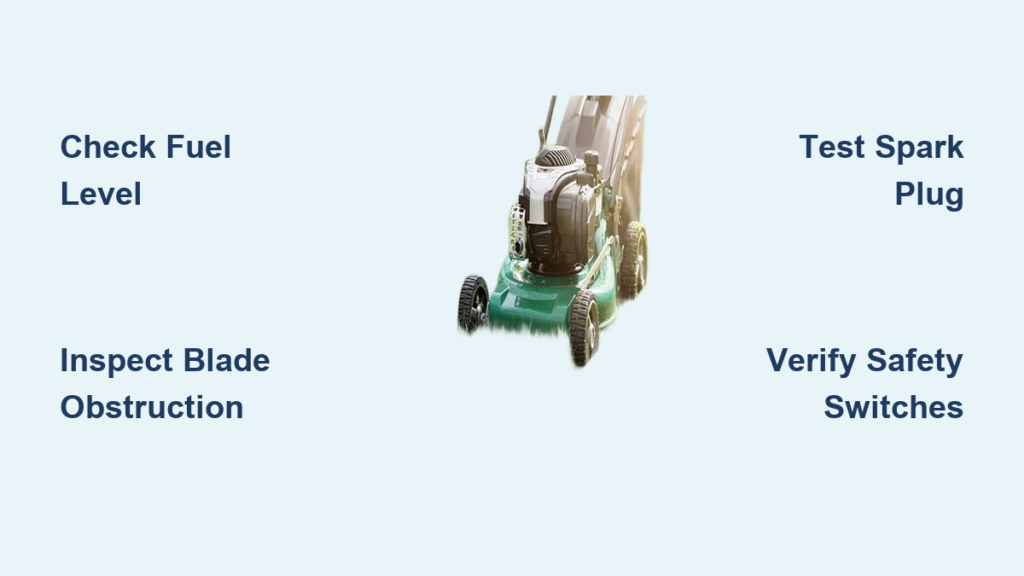
Power source verification – Confirm your gas tank has fuel (not just a quarter full), your battery shows sufficient charge, or your extension cord is properly seated in both outlets. Many “broken” grass cutters simply need refueling or recharging.
Safety mechanism engagement – Modern grass cutters require multiple safety features to be activated: the bail lever must be fully depressed against the handle, the key must be inserted (for gas models), and the blade brake must be disengaged. A single misaligned safety switch prevents operation.
Blade obstruction inspection – Turn off and unplug your grass cutter, then tip it carefully to inspect the blade area. Grass clippings, twigs, or rocks frequently jam the cutting mechanism, triggering automatic shutdowns. Remove all visible debris with gloved hands.
Oil level confirmation – Low oil levels cause automatic shutdowns on most gas-powered models. Check the dipstick with the grass cutter on level ground—add oil if below the “Full” mark using the manufacturer-specified grade.
Gas-Powered Grass Cutter Won’t Start: Targeted Fixes
Gas grass cutters fail to start for predictable reasons. Address these issues in sequence to maximize your troubleshooting efficiency.
Fuel System Troubleshooting Steps
Stale fuel causes most gas grass cutter failures. If your fuel sits longer than 30 days, drain the tank completely using a siphon pump and replace with fresh 87-octane gasoline mixed with fuel stabilizer at the recommended ratio.
Quick verification method: Remove the air filter and spray a two-second burst of starting fluid into the carburetor intake. If the engine fires briefly then dies, you’ve confirmed a fuel delivery problem. This indicates either contaminated fuel, clogged fuel lines, or carburetor issues.
Spark Plug Inspection and Replacement
A faulty spark plug stops your grass cutter dead. Remove the plug using a spark plug socket and examine the electrode:
- Black, sooty deposits indicate a rich fuel mixture
- White, ashy residue suggests overheating
- Wet fuel coating points to ignition system failure
Replace with the exact model specified in your manual—using the wrong plug type causes recurring problems. Always check the gap with a feeler gauge before installation.
Carburetor Cleaning Without Disassembly
Remove the air filter housing to access the carburetor throat. With the throttle fully open, spray carburetor cleaner directly into the intake while working the throttle by hand. This clears most gum deposits from old fuel without requiring full disassembly.
Critical warning: Never use compressed air on carburetor jets—this forces debris deeper into tiny passages, creating worse blockages.
Electric Grass Cutter Diagnostic Procedures

Electric grass cutters fail differently than gas models. Focus your troubleshooting on these specific electrical components.
Battery-Powered Model Failures
Battery won’t accept charge:
– Clean corrosion from battery terminals using isopropyl alcohol and cotton swabs
– Inspect charging port pins for bending or damage
– Test charger voltage output with a multimeter (must match specifications within 0.5 volts)
Battery charges but grass cutter won’t run:
– Perform a safety controller reset by holding the trigger for 10 seconds
– Check for blade brake pad dragging against the rotor—adjust clearance if needed
– Verify secure connections where the battery interfaces with the motor housing
Corded Electric Model Failures
Complete power loss:
– Test the wall outlet with another device to confirm power
– Examine the entire extension cord for cuts, kinks, or pinch damage
– Press the GFCI reset button on both the grass cutter plug and any extension cords
Intermittent power issues:
– Gently wiggle the power cord where it enters the grass cutter housing
– Open the switch housing to check for loose wire connections
– Replace suspect extension cords—many fail under heavy electrical loads
Grass Cutter Stalls During Operation: Load-Related Fixes
When your grass cutter starts but quits when engaging the blade or moving through thick grass, focus on these common culprits.
Cutting Condition Adjustments
- Raise cutting height one position to reduce strain on the engine
- Avoid wet grass which dramatically increases cutting resistance
- Sharpen or replace the blade immediately—dull blades require 40% more power to cut
Professional insight: A properly sharpened blade cuts cleanly through grass stems rather than tearing them, significantly reducing engine load and improving cut quality.
Drive System Maintenance for Self-Propelled Models
Check drive belt tension—properly adjusted belts should deflect approximately half an inch when pressed midway between pulleys. Inspect for missing belt guides that allow derailment during operation. Remove accumulated grass and debris from drive wheels and transmission gears using a stiff brush.
Grass Cutter Smoking: Immediate Response Protocol

Visible smoke indicates serious problems requiring immediate shutdown to prevent permanent damage.
Oil-Related Smoke Solutions
- Excess oil – Drain to manufacturer-specified level (typically 20 ounces for residential models)
- Incorrect oil type – Use SAE 30 for temperatures above 40°F or 5W-30 for colder conditions
- Blown head gasket – Requires professional engine rebuild
Critical action: Stop operation immediately when smoke appears. Continuing to run an overheating engine causes irreversible internal damage.
Airflow Restoration Techniques
Remove the engine shroud and clean cooling fins thoroughly with compressed air. Replace the air filter if discolored or oil-soaked. Clear all debris from around the muffler and exhaust port to restore proper ventilation.
Safety Switch Malfunction Repairs
Modern grass cutters incorporate multiple safety switches that fail in subtle ways, preventing operation.
Bail Lever Adjustment Procedure
The bail lever must make complete contact with the handle housing. Adjust cable tension using the barrel adjuster near the engine housing. Replace frayed cables immediately—most take under 15 minutes to swap with basic hand tools.
Blade Brake System Calibration
When releasing the bail lever, the blade should stop rotating within three seconds. If not:
– Measure brake pad thickness—replace if worn below 1/8 inch
– Clean brake rotor surface with dedicated brake cleaner
– Adjust cable tension using the turnbuckle mechanism near the cutting deck
Preventative Maintenance Schedule
Follow this simple maintenance routine to prevent most grass cutter failures before they happen.
After Each Use:
– Check and top off oil levels
– Remove grass buildup from deck and air intakes
– Inspect blade for damage or dullness
Monthly During Mowing Season:
– Sharpen or replace cutting blade
– Clean or replace air filter
– Check tire pressure on self-propelled models
Annual Comprehensive Service:
– Complete oil change
– Replace spark plug (gas models)
– Grease wheel bearings
– Professional tune-up for gas engines
Pro tip: Maintain a simple service log taped inside your storage area showing dates of recent maintenance for quick reference.
Most grass cutter failures stem from simple, correctable issues rather than catastrophic breakdowns. By methodically working through these targeted troubleshooting steps—starting with power sources, safety mechanisms, and basic maintenance—you’ll resolve the majority of problems in under thirty minutes. Keep this guide handy for quick reference when your grass cutter fails, and you’ll spend less time troubleshooting and more time enjoying your well-maintained lawn. Remember that consistent preventative maintenance prevents most failures before they occur, saving you both time and money throughout the mowing season.