
Your cholesterol medication just got expensive, and your doctor suggested splitting tablets to save costs. But that first wobbly cut leaves uneven halves—one piece crumbling to dust, the other dangerously oversized. This common scenario puts your health at risk: uneven splits mean inaccurate dosing, while improper technique wastes precious medication. Mastering how to use a pill cutter correctly isn’t just convenient—it’s essential for safety and savings. In this guide, you’ll learn precise cutting methods, spot split-safe medications instantly, and avoid critical errors that could compromise your treatment. Whether you’re handling blood pressure pills or psychiatric medication, these steps ensure every split delivers the exact dose you need.
Skipping medication safety checks causes 30% of home-splitting errors according to pharmacy data. Before touching any cutter, verify your specific pill can be split. Never assume all scored pills are safe—some coatings or time-release mechanisms make splitting dangerous even with visible grooves. This single step protects you from accidental overdose or ineffective treatment. You’ll discover exactly what to look for on labels and when to call your pharmacist.
Identify Split-Safe Medications Before Cutting
Always confirm split safety with your pharmacist first—this prevents life-threatening mistakes. Look for these non-negotiable indicators on your medication:
- A deep, clean score line running precisely down the pill’s center (shallow grooves often fail)
- Explicit “splitting approved” language in the patient package insert
- Verification in the “How Supplied” section of your prescription bottle
- Direct approval from your doctor or pharmacist (required for all medications)
Never cut these high-risk medications, regardless of scoring:
– Time-release or extended-release pills (like Adderall XR or Toprol XL)
– Enteric-coated tablets (designed to dissolve in intestines, not stomach)
– Blood thinners (warfarin) or chemotherapy drugs
– Capsules of any kind (gel or powder-filled)
– Crumbling or oddly shaped pills smaller than a pencil eraser
Critical warning: If your pill lacks a deep score line or your pharmacist hasn’t approved splitting, stop immediately. One incorrect cut could release a full dose meant for days. When in doubt, keep the whole pill and call your pharmacy—they’ll confirm safety in under two minutes.
Select the Right Pill Cutter for Your Medication

Using the wrong cutter guarantees crumbling or uneven splits. Match your device to your pill type and physical ability:
Spring-Loaded Cutters for Effortless Precision
Ideal if you have arthritis or tremors, these models use a spring mechanism to guide pills under the blade. They deliver consistent pressure for clean splits on standard scored pills like lisinopril or atorvastatin. Look for rubberized interiors that grip pills without slipping.
Adjustable Universal Cutters for Odd Shapes
Large or irregular pills (such as some psychiatric medications) need moveable compartments. Universal models feature sliding guides that center oval or elongated tablets—essential for drugs like doxazosin. Avoid cheap plastic cutters with fixed slots; they force misalignment.
Pro tip: Check insurance coverage before buying. Many Medicare Advantage plans cover FDA-cleared splitters costing $5-$15. If you split multiple medications, invest in a multi-purpose cutter with crushing capability—it handles both tasks without cross-contamination.
Perfect Pill Positioning for Clean Splits
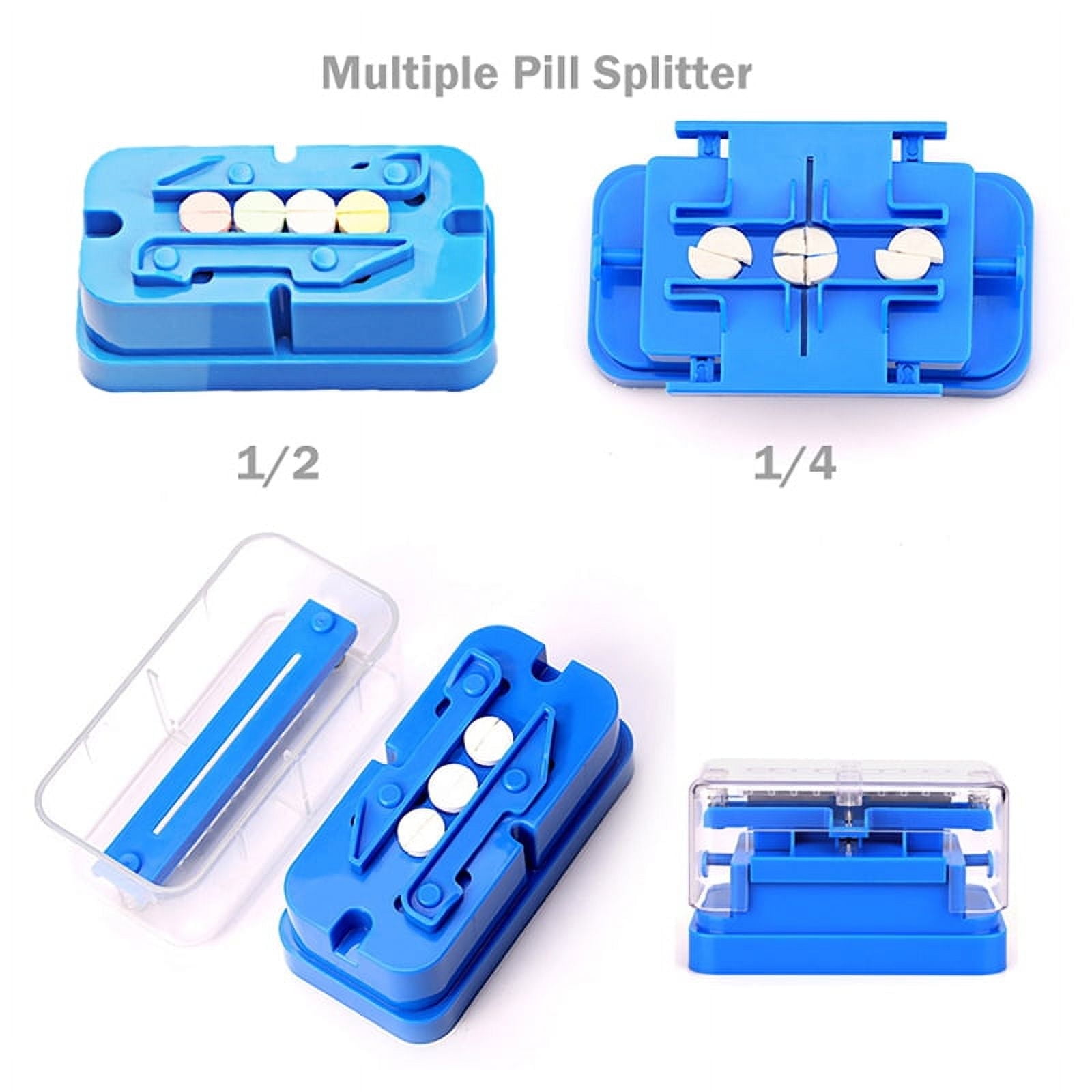
Improper placement causes 70% of cutting failures. Follow these exact positioning steps:
For Scored Pills
Place the tablet in the V-shaped holder with the score line directly under the blade. Press down gently to seat it—never force it. The groove must align perfectly with the blade’s edge; even 1mm misalignment creates uneven halves.
For Unscored Pills (Pharmacist-Approved Only)
Center the pill using built-in guides if available. Place it vertically (taller than wide) for better stability. Never cut unscored pills without explicit pharmacist approval—most aren’t designed for splitting.
Visual cue: If light shines between the pill and holder walls, reposition it. Gaps cause shifting during cutting, leading to dangerous size discrepancies.
Execute the Cut with One Smooth Motion
Hesitation crushes pills. Here’s the exact technique:
- Secure the cutter base on a non-slip surface (like a rubber mat)
- Close the lid slowly until the blade touches the pill—no pressure yet
- Press down firmly and fast in one decisive motion (like cracking an egg)
- Keep pressure steady until the lid fully seats—don’t lift mid-cut
Why speed matters: Slow pressure shears the pill, creating dust and uneven pieces. A quick cut severs the tablet cleanly. If quartering (splitting a half again), reposition the half-pill carefully—lack of score lines requires extra precision. Discard any cut with visible crumbs; uneven halves mean inaccurate dosing.
Store Split Pills to Maintain Effectiveness
Exposure ruins split medication within hours. Protect your dose with these steps:
- Take both halves immediately after cutting—never store pre-split pills long-term
- If temporary storage is unavoidable, use the original prescription bottle with a tight lid
- Label containers clearly: “½ tablet = 5mg” with current date
- Keep away from moisture and heat (not in bathrooms or near stoves)
Critical error to avoid: Storing split pills in the cutter’s reservoir. Residual dust contaminates future doses, especially dangerous when cutting different medications.
Fix Crumbling and Uneven Cuts Immediately
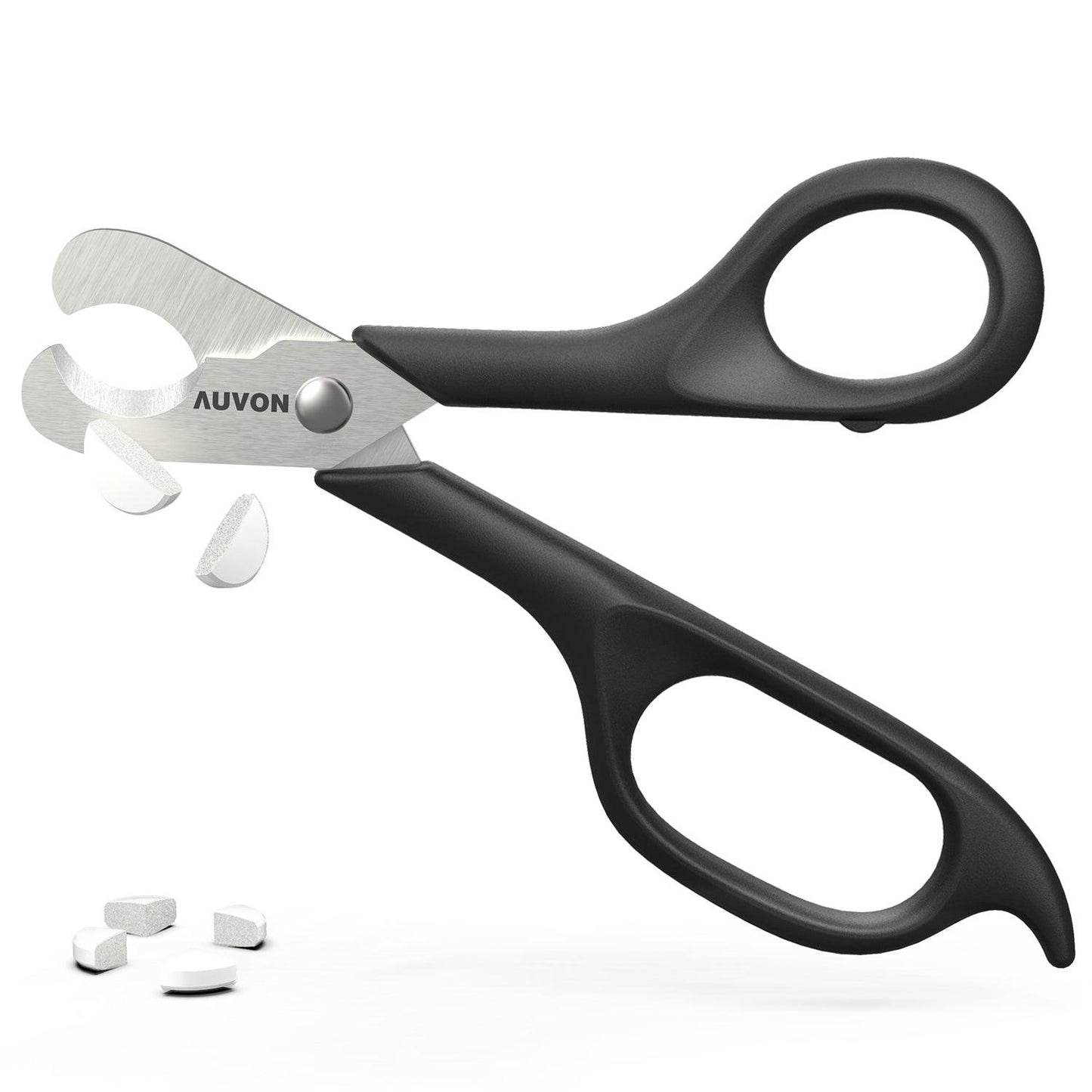
Pill disintegration means your technique or cutter is failing. Resolve it now:
When Pills Crumble
- Stop cutting immediately and inspect your blade—dull edges crush instead of cut
- Replace the cutter if blades show nicks or rust (most last 6-12 months)
- Check pill expiration—older tablets crumble easier due to moisture loss
- Never use crumbled pieces—return the entire batch to your pharmacy for safe disposal
For Uneven Halves
- Sharpen or replace the blade (dull blades deflect during cutting)
- Use spring-loaded models for consistent pressure if hand strength varies
- Verify pill isn’t warped—some generics have uneven coatings that resist clean splits
Pro tip: Test new cutters with aspirin first. Its hardness reveals alignment issues before risking prescription meds.
Clean Your Cutter Without Injury
Cross-contamination causes dangerous drug interactions. Clean weekly:
- Rinse under warm tap water (never soak—water damages blade alignment)
- Wipe blade area with a damp cloth—never touch the blade (it’s razor-sharp)
- Air-dry upright for 24 hours before storage
- Store in a locked cabinet away from children
Never disassemble your cutter—most aren’t designed for user servicing. If cuts turn ragged after cleaning, replace the entire device.
Travel with Pill Splitters Safely
TSA bans pill cutters in carry-ons due to blades. Avoid airport disasters:
- Pre-cut all medication before travel using original containers
- Pack cutters in checked luggage only (declare them at security)
- Carry pharmacist documentation proving medical necessity if questioned
- Use hotel room safes for storage—never leave cutters unattended
Smart alternative: Split only daily doses during trips. Cutting a week’s supply upfront exposes pills to humidity and temperature swings.
Maximize Cost Savings Without Risk
Splitting can slash costs by 50% when done right. Target these FDA-approved medications:
- Cholesterol drugs: Atorvastatin (Lipitor), pravastatin
- Blood pressure pills: Lisinopril, doxazosin
- Psychiatric meds: Sertraline (Zoloft), citalopram, paroxetine
Key strategy: Ask your doctor to prescribe double-strength tablets (e.g., 20mg instead of 10mg). Many insurers price them nearly identical to lower doses. Always confirm with your pharmacist—some generics aren’t formulated for splitting.
When to Call Professionals Immediately
Don’t troubleshoot these critical issues alone:
- Repeated crumbling after trying two different cutters
- Uncertainty about splitting safety for any new prescription
- Need disposal guidance for unusable split medication
- Symptoms after taking split pills (dizziness, nausea, irregular heartbeat)
Act now: Your local pharmacist resolves 95% of splitting questions in one call. For disposal, use pharmacy take-back programs—never flush medications.
Final Takeaway: Safe pill splitting requires three non-negotiable steps: pharmacist approval, precise cutting technique, and immediate use of split halves. A quality cutter costs less than one unfilled prescription, but it only works when you verify medication safety first. Track your splits for a week—if halves vary by more than 10%, stop cutting and consult your doctor about alternative dosing.
Next Step: After your next pharmacy visit, ask: “Is my [medication name] suitable for splitting based on its formulation?” This single question prevents dangerous errors while unlocking potential savings. Keep this guide handy until the process becomes routine—your health depends on getting every cut right.