
That frustrating moment when you snip copper wire only to watch it twist and deform? Or the sting of sharp cable-tie off-cuts nicking your hand? These common frustrations vanish when you master the side cutter—the electrician’s secret weapon for clean, flush cuts. Whether you’re wiring a new outlet, trimming guitar strings, or building a model railroad, this guide reveals exactly how to use a side cutter safely and effectively. In ten minutes, you’ll learn precision techniques that prevent hand fatigue and deliver mirror-flat cuts on everything from delicate circuit boards to automotive battery cables.
Match Your Side Cutter to the Wire Gauge

Selecting the Right Tool Length
Grab the wrong size side cutter, and you’ll fight every cut. For electronics work with 18-22 AWG wire, choose 5″ (125 mm) models like the Hakko CHP-170—they reach between circuit board components with surgical precision. Household wiring (14-6 AWG) demands 6-7″ (150-175 mm) cutters with spring-loaded handles to reduce fatigue during marathon installations. When tackling automotive battery cables or piano wire, switch to 8″ (200 mm) beasts like the Klein D248-8 that generate serious leverage without straining your wrist. Always check the cutting capacity stamped on the blade—stay 20% under that maximum diameter for effortless snips.
Critical Handle Selection Criteria
Your grip determines safety and control. Bare steel handles cost less but become slippery hazards when oily or sweaty—avoid them for live electrical work. PVC-dipped grips offer basic comfort at $2-3 above bare models but provide zero electrical protection. For panel work above 50V, you need 1000V insulated handles with dual-layer red/yellow insulation meeting IEC 60900 standards. These VDE-certified tools (like the Wiha 32892) undergo rigorous 10,000V flash-over testing and feature non-conductive housings that won’t crack under pressure.
Execute Pre-Use Safety Checks Like a Pro

Five-Second Blade Inspection Protocol
Never skip this visual scan before squeezing the handles: First, examine cutting edges under bright light for chips or rounding—any visible damage means replace the tool immediately. Next, open and close the jaws while watching for lateral wobble; professional-grade models allow less than 0.2mm play. Finally, inspect handle insulation for nicks or swelling that could expose conductive metal during electrical work. If the spring return sticks or requires manual opening, oil the pivot before continuing. This routine takes five seconds but prevents catastrophic failures.
Non-Negotiable Safety Gear Setup
Skipping PPE with side cutters is playing Russian roulette with razor-sharp projectiles. Always wear ANSI Z87.1-rated safety glasses—they stop copper slivers traveling at 90 mph from embedding in your eyes. When cutting high-tension steel wire like guitar strings, add EN 388 level 3 cut gloves to shield against spring-back injuries. For electrical jobs, verify lock-out/tag-out with a multimeter first, then use 1000V insulated gloves on a rubber mat. Keep a dedicated wire waste bin nearby—never let off-cuts accumulate on your work surface where they’ll puncture your foot later.
Master Flush Cutting on Delicate Materials
Perfect PCB Lead Trimming Technique
Cutting component leads on circuit boards demands surgical precision. Angle your side cutter so the flat jaw side presses against the board surface—this protects solder pads from damage. Position the wire as close to the pivot point as possible without letting handles hit the board. Apply steady pressure until the blade bites, then rotate the tool 5-10° away from you as you complete the cut. This twist motion prevents off-cuts from becoming dangerous projectiles while leaving a smooth, flush surface that won’t snag clothing or skin.
Cable-Tie Tensioning and Snipping Hack
Most people yank cable ties tight then hack off the excess, leaving sharp protrusions. Here’s the pro method: Thread the tie through the lock mechanism, then grip the tail 2mm past the locking pawl with your side cutter. Twist the tool 180° while gently pulling backward to tension the tie—this engages the lock mechanism fully. Now snip flush without twisting; the tensioned tie won’t recoil, and you’ll eliminate hazardous nubs. This technique works flawlessly on automotive harnesses and server racks.
Cut Steel Wire Without Catastrophic Recoil
Managing High-Tension Wire Cuts
When you must cut tensioned steel wire (like guitar strings or turnbuckles), position your body completely out of the potential recoil path—never stand directly in line with the wire. Use short, controlled squeezing bursts rather than one full stroke; this prevents sudden release that could send wire shards flying. For piano wire over 1.6mm diameter, standard side cutters will fail catastrophically—reach for ratcheting models like the Knipex 74 01 200 that apply progressive force. Remember: hardened steel stores energy like a spring, so always relieve tension first when possible.
Electrical Work Safety Imperatives
Cutting live conductors requires extreme discipline. First, verify de-energization with a calibrated meter—never assume power is off. Use only side cutters with VDE certification and dual-color red/yellow handles meeting IEC 60900 standards. Cut one conductor at a time while keeping other wires shielded to prevent accidental shorting. Maintain 90° alignment between wire and cutting edges—angling causes crushing instead of clean shearing. If you detect any sparking or resistance, stop immediately; your tool may be compromised.
Unlock Advanced Field Techniques
Precision Insulation Stripping Method
Score wire jackets without nicking strands using this field trick: Partially close your side cutter jaws around the insulation only—never let blades touch the conductor. Rotate the tool 360° while maintaining light pressure to create a clean score line. Now pull the insulation toward you; it should slide off cleanly. Works perfectly on 18-22 AWG stranded wire but requires practice—start on scrap pieces. Never use this on solid-core wire where scoring causes weak points.
Emergency Field Sharpening Protocol
When blades dull mid-job, emergency sharpening buys limited use. Use a 600-grit diamond needle file held at the original 45° bevel angle. Apply 3-4 light strokes per cutting edge—no grinding wheels that remove too much material. Immediately oil the pivot with ISO 32 machine oil to prevent corrosion from filing debris. Crucial warning: This removes factory heat treatment, so treat the tool as compromised. Only use for non-critical cuts until replacement arrives.
Extend Tool Life with Smart Maintenance
Post-Use Cleaning Routine
Copper oxide buildup from daily use accelerates corrosion. After every job, wipe blades with an isopropyl alcohol-dampened cloth to dissolve conductive residues. Close jaws and engage the keeper latch to protect cutting edges during storage. Hang tools on pegboard rather than tossing in drawers—prevents accidental nicks from other metal objects. Never store side cutters in leather rolls; acidic tanning agents cause pitting over time.
Monthly Deep Maintenance Cycle
Perform this ritual monthly for professional-grade longevity: Scrub the pivot area with a nylon brush dipped in degreaser, then blast with compressed air to remove debris. Apply one drop of ISO 32 machine oil to the rivet point—excess attracts dust. In humid environments, micro-coat blades with silicone grease to prevent flash rusting. Test cutting performance on 14 AWG wire; if it requires noticeably more force than when new, the blades are past economical sharpening.
Troubleshoot Common Cutting Failures
When strands mash instead of shearing cleanly, you’re using dull blades—replace immediately as damaged cutters increase injury risk. If handles splay outward during use, the pivot rivet has loosened beyond repair; don’t attempt re-peening as internal metal fatigue has occurred. Flying off-cuts mean you’re cutting too fast—slow your stroke and use the 5-10° twist technique described earlier. Rust spots after minimal use indicate skipped post-job cleaning; treat with WD-40 then apply CRC 3-36 corrosion inhibitor.
Choose the Right Model for Your Work
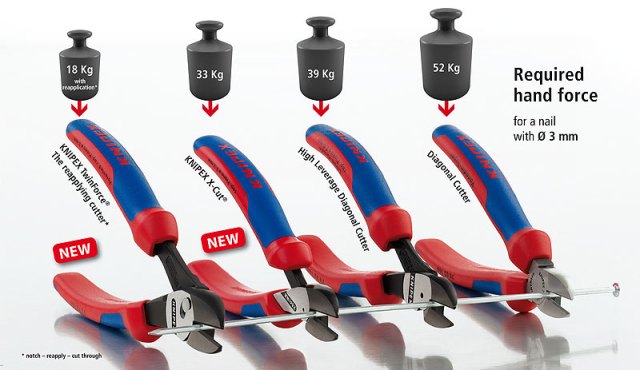
For electronics prototyping, the Hakko CHP-170’s 0.8mm precision tip delivers flawless PCB lead cuts but sacrifices durability on thicker wires. Automotive technicians swear by the Klein D248-8’s 8″ leverage that slices 8 AWG battery cables with minimal hand strain. Electricians doing live panel work must choose VDE-certified tools like the Wiha 32892—its red handles and dual insulation meet NFPA 70E requirements. Hobbyists building model railroads prefer the Knipex 74 01 125’s 28° angled head that reaches between tight tracks without marring scenery.
Final Note: Master these side cutter techniques to achieve thousands of clean, effortless cuts while eliminating common hazards. Remember to match tool size to wire gauge, inspect blades before every use, and maintain proper cutting angles—your hands and projects will thank you. Never compromise on safety gear when tensioned wires or live circuits are involved, and replace tools at the first sign of blade damage. With these methods, you’ll transform frustrating snips into precision craftsmanship whether you’re rewiring a house or trimming a guitar string.