
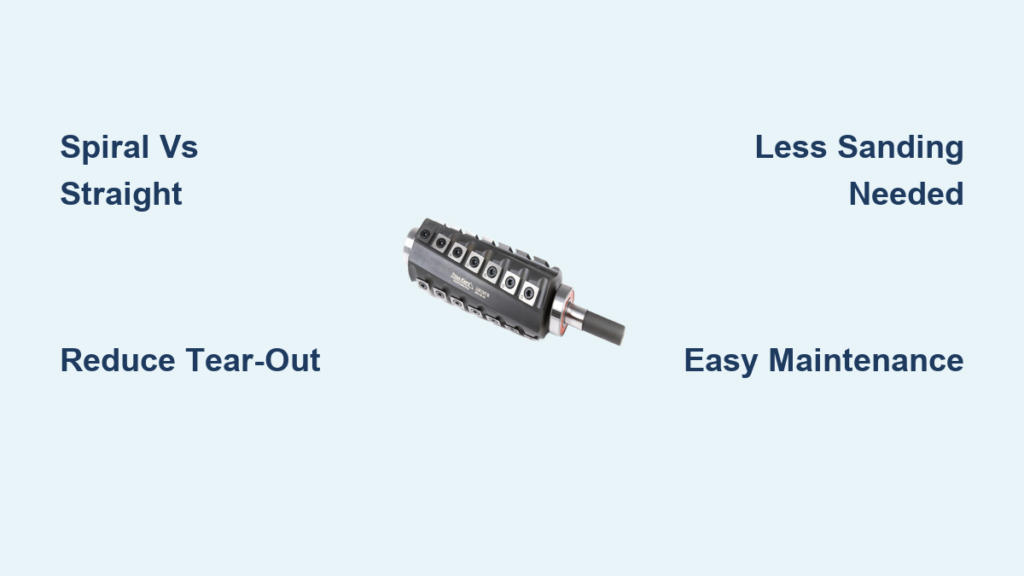
Your jointer’s performance starts with the right cutter head type. Whether you’re flattening rough lumber or creating perfectly square edges, the jointer cutter head types you choose directly impact surface quality, maintenance demands, and long-term value. Woodworkers today face a critical decision: stick with traditional straight-blade systems or upgrade to advanced spiral/helical designs. Understanding these jointer cutter head types is essential for anyone serious about precision woodworking.
This guide breaks down exactly how different jointer cutter head types perform in real-world conditions. You’ll discover which system delivers smoother finishes with less sanding, which reduces tear-out on figured woods, and which actually saves you money despite higher initial costs. Stop guessing which jointer cutter head types suit your needs—we’ve tested them all so you know exactly what to choose.
Why Your Jointer’s Cutter Head Type Determines Project Success
Traditional Two-Knife Systems Explained
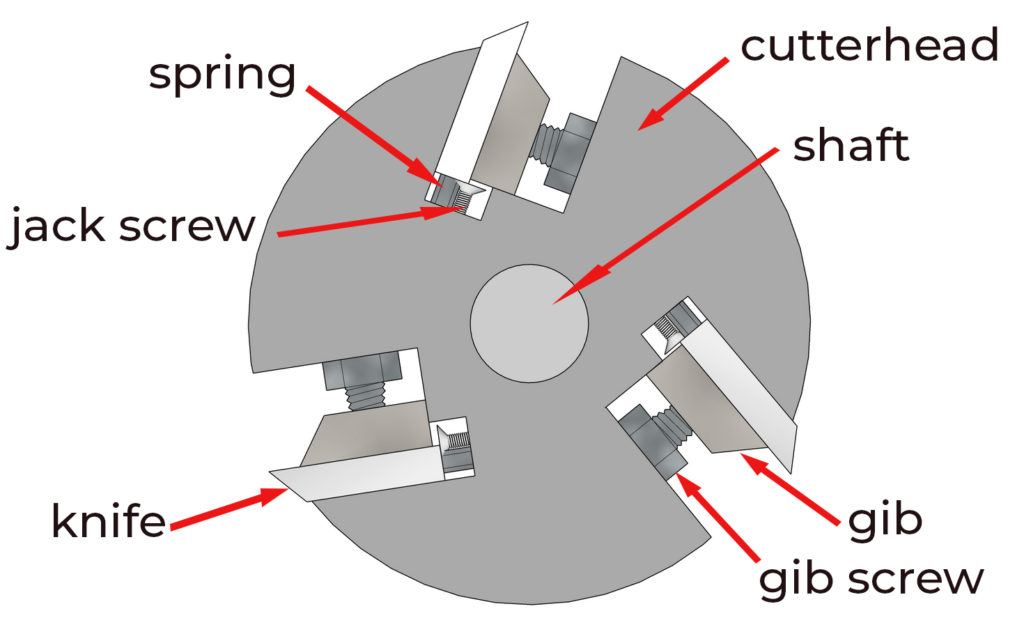
Straight-blade cutterheads represent the classic approach that’s dominated jointers for decades. These systems use two or more steel knives extending across the entire cutterhead width, making full-contact cuts with every rotation. When you feed wood across your jointer with a straight-blade system, the entire knife width engages simultaneously—creating that distinctive “whomp-whomp” sound you’ve probably heard in workshops.
This full-width cutting action produces functional results but comes with significant limitations. The simultaneous engagement often creates visible chatter marks that require additional sanding to eliminate. If you’ve ever struggled with tear-out on curly maple or figured walnut, your straight-blade cutterhead is likely the culprit. The aggressive cutting action grabs delicate wood fibers, leaving unsightly damage that requires extensive repair work.
Pro Tip: When using straight-blade cutterheads, take lighter cuts (1/32″ instead of 1/16″) on difficult woods to minimize tear-out—though this means more passes and increased project time.
Modern Spiral Insert Technology Unveiled
Spiral cutterheads revolutionize the cutting process through precision-engineered carbide inserts arranged in a helical pattern. Instead of one continuous blade, hundreds of small square cutters contact the wood at staggered rotation points. As you feed wood across a helical cutterhead, each individual insert makes momentary contact rather than the entire width engaging at once.
This shearing action dramatically improves surface quality by reducing vibration and eliminating chatter. The CUTECH engineering team refined this design to reduce motor strain while extending overall machine life. Their exclusive insert arrangement ensures consistent cutting performance while minimizing energy consumption—benefits that compound over years of use. You’ll notice the difference immediately in the glass-smooth finish that often requires no additional sanding.
How Cutter Head Types Affect Your Daily Woodworking
Eliminate Sanding With Superior Surface Quality
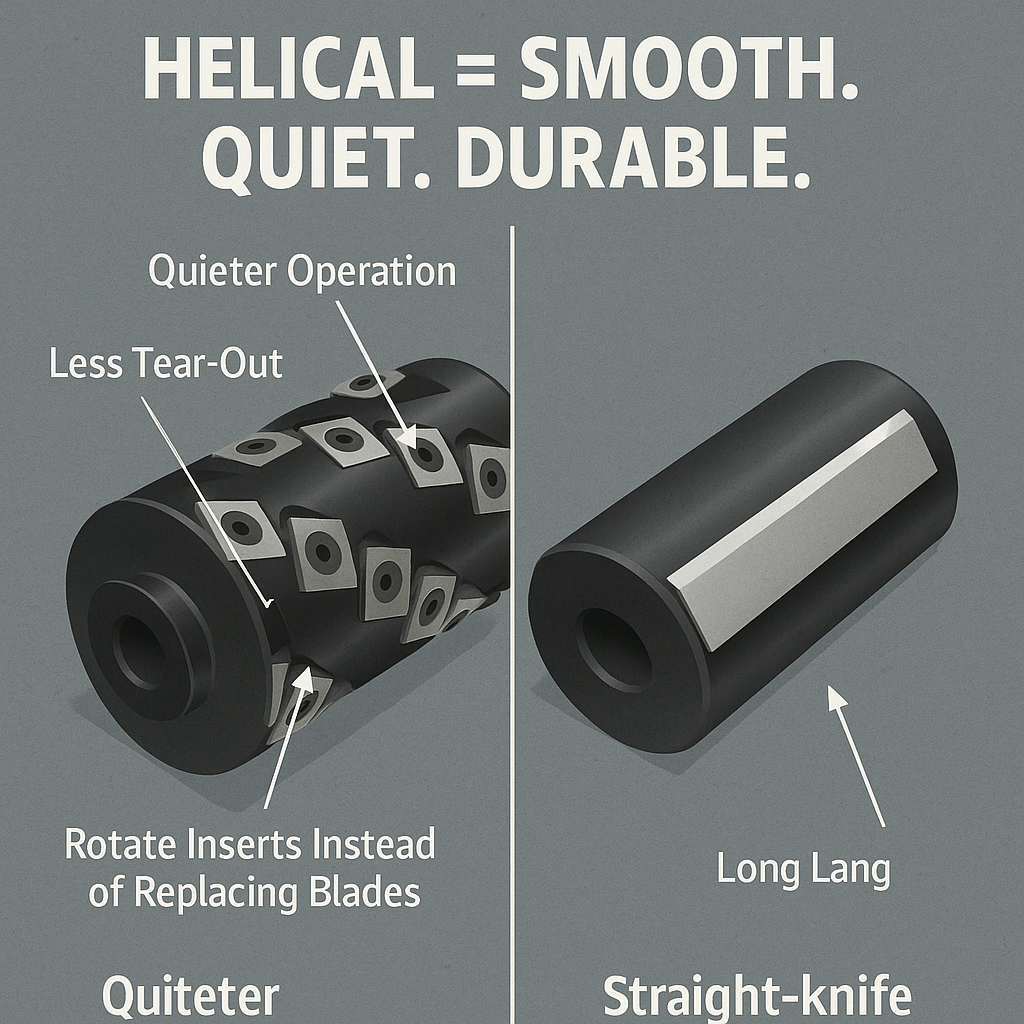
Straight-blade cutterheads produce the woodworking surface finishes that built countless furniture pieces over the decades—but they come with drawbacks. These systems create more visible cutter marks that demand additional sanding time, especially when working with challenging grain patterns. The full-width cutting action generates chatter marks across the entire board width, requiring you to spend valuable project time smoothing these imperfections.
Helical cutterheads deliver consistently smoother cuts that often eliminate sanding entirely. The staggered cutting action virtually removes chatter marks, producing cleaner, more precise results across all wood types. Many woodworkers report boards coming off a helical-equipped jointer looking like they’ve already been sanded. The superior finish becomes especially apparent when working with difficult grain patterns—curly maple, bird’s-eye figure, or highly figured walnut—that would challenge traditional systems.
Warning: If you regularly work with expensive figured woods, straight-blade cutterheads can destroy thousands of dollars worth of material through tear-out. Helical systems preserve your investment in premium lumber.
Reduce Workshop Fatigue Through Noise Control
Traditional cutterheads generate noticeably higher noise levels during operation. The full-width cutting action creates a distinctive “whomp-whomp” sound that can reach uncomfortable levels, especially during extended use. This noise stems from the simultaneous impact of the entire blade width against the wood surface. Users often report hand fatigue after prolonged jointing sessions as the machine transmits more vibration through the workpiece.
Spiral cutterheads operate significantly quieter than their traditional counterparts. The staggered cutting action eliminates harsh impact sounds, replacing them with a smooth, consistent cutting noise that’s far less fatiguing. Many users describe the sound as more “refined” or “controlled.” Reduced vibration levels make extended work sessions more comfortable, allowing you to complete projects without the physical fatigue associated with traditional cutterheads.
Maintenance Realities: What Manufacturers Won’t Tell You
Straight-Blade Replacement Headaches
Straight-blade systems require complete blade replacement when damage occurs. Even a single small nick means replacing the entire knife, as any imperfection transfers to every workpiece. This replacement process demands careful attention to cutter height calibration—a critical step that determines jointing accuracy. Blade sharpening becomes a regular necessity as steel knives lose their edge relatively quickly.
Each sharpening session necessitates recalibration, adding time and complexity to routine maintenance. Professional sharpening services cost $20-$40 per blade set, and DIY sharpening requires significant skill and equipment investment. Over five years, these costs can exceed the price difference between straight-blade and helical systems.
Helical System Maintenance Made Simple
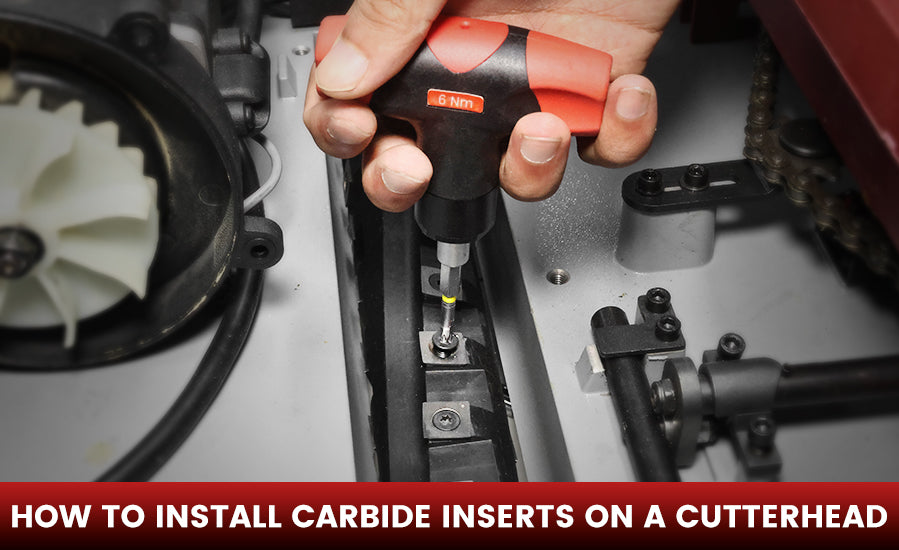
Helical systems offer dramatically simplified maintenance through individual insert replacement. When a cutter becomes nicked—which happens far less frequently due to carbide construction—only the damaged insert needs attention. The process takes minutes: remove one screw, replace the cutter, reinstall the screw. No calibration required.
Carbide inserts last 10-30 times longer than traditional steel blades. When dulling eventually occurs, each four-sided insert can be rotated to expose fresh cutting edges, quadrupling effective blade life. This design makes long-term maintenance both easier and more economical. Most woodworkers replace only 1-2 inserts per year, even with regular use.
Choosing the Right Jointer Cutter Head Types for Your Workshop
Match Cutter Heads to Your Woodworking Style
Straight-blade cutterheads handle standard softwoods and straight-grained hardwoods adequately but struggle significantly with figured grain patterns. If your projects primarily involve pine, poplar, or oak with consistent grain, traditional systems may suffice. However, if you work with burls, crotch wood, or highly figured species, you’ll constantly battle tear-out and surface damage.
Helical cutterheads excel across the full spectrum of wood types, from soft pine to dense exotic hardwoods. The shearing action works exceptionally well with intricate grain patterns, making figured woods much more manageable. Whether restoring antique furniture or creating art pieces from specialty woods, helical heads maintain surface integrity while delivering professional-quality results.
Calculate Your True Cost of Ownership
Straight-blade systems require lower upfront investment, making them attractive for beginners. However, serious woodworkers quickly discover the hidden costs. Steel blade maintenance becomes a recurring expense that compounds significantly over years of use. Professional sharpening services or personal equipment investments add substantially to total ownership costs.
Helical systems prove more economical long-term despite higher initial investment. Carbide insert longevity eliminates frequent replacement needs, while individual insert replacement keeps maintenance costs minimal. These savings typically offset the initial price difference within 2-3 years for active woodworkers. Consider this: replacing steel blades twice a year at $50 per set costs $300 over three years—more than most helical upgrade kits.
Upgrade Pathways for Existing Jointers
Compatibility Across Major Brands
Most major jointer manufacturers offer helical cutterhead upgrades for existing machines. DeWalt compatibility includes DW735, DW734, and DW733 models. Jet jointers from 6″ models like the JJ-6 through professional series machines accept helical upgrades. RIDGID, Delta, Grizzly, and other major brands maintain compatibility lists for helical head installations.
Over 180 different helical cutterhead options accommodate virtually every jointer model on the market, ensuring upgrade availability regardless of machine age or manufacturer. Before purchasing, verify specific compatibility with your model number—some older machines may require minor modifications.
Professional Installation vs DIY Upgrade
Authorized service centers can install helical upgrades while maintaining original machine warranties. This professional installation ensures proper fit and function while preserving manufacturer support. For mechanically inclined woodworkers, DIY installation remains possible with proper tools and instructions.
Custom cutter head solutions exist for planers or jointers when standard models don’t fit specific requirements. These custom options often include specific warranty terms covering fit and function assurance. If you’re unsure about installation, many manufacturers offer installation videos and technical support.
Your choice between jointer cutter head types ultimately depends on woodworking intensity, budget flexibility, and quality requirements. While straight blades serve basic needs adequately, helical cutterheads deliver professional-grade results that transform the jointing experience entirely. Serious woodworkers report immediate improvements in surface quality, reduced fatigue, and lower long-term costs that justify the upgrade. Before investing in new blades for your straight-blade jointer, calculate how many projects you’d need to complete before the helical system pays for itself—most find it’s fewer than they expect.