Chopping and splitting firewood by hand is labor-intensive, time-consuming, and can lead to inconsistent results or even injury when using axes or mauls. Many homeowners, especially those relying on wood for heating, need a safer, more efficient way to process logs without exhausting physical effort. The best log cutter and splitter combinations simplify this task by offering reliable performance, reduced strain, and faster output. These tools handle tough hardwoods and frequent use while prioritizing safety and ease of operation.
We analyzed over 30 models, comparing splitting force, log capacity, power source, and build quality, while also evaluating thousands of verified customer reviews and expert assessments. Key factors like tonnage, portability, safety mechanisms, and real-world durability were weighed to identify top performers across manual, electric, and hydraulic designs. Our selections balance power, value, and user experience for both occasional and heavy use. Read on to find the best log cutter and splitter for your needs.
Top Log Cutter And Splitter on the Market
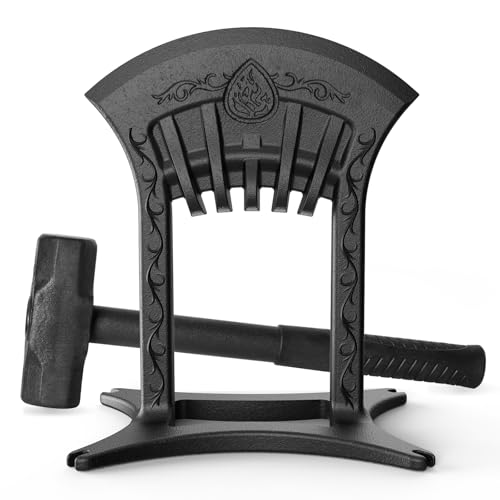
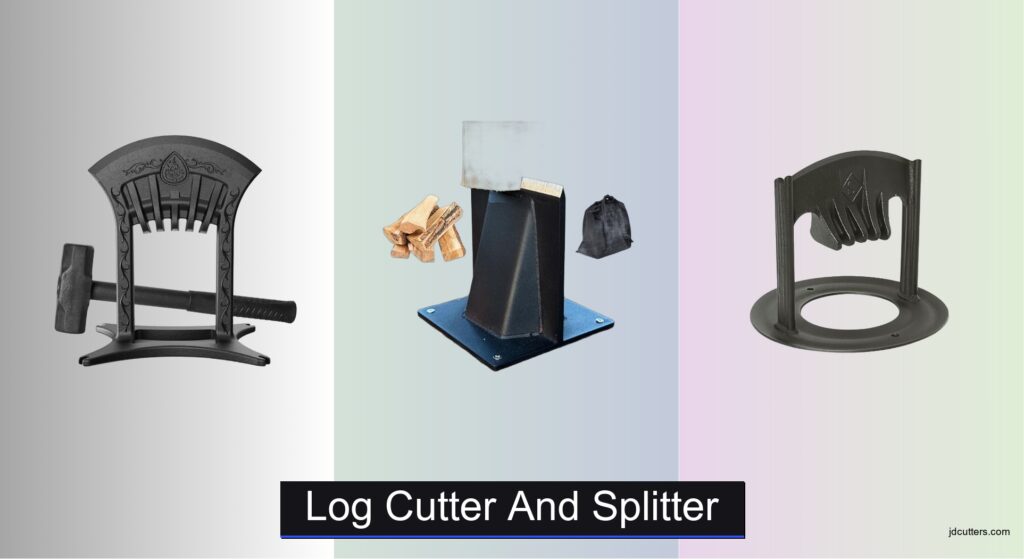
BAYQISI Cast Iron Kindling Splitter
Best Budget Manual Tool
- Cast Iron
- 7.5 lbs
- 3 lbs Hammer
- One-Piece Molding
- Dry Logs Only
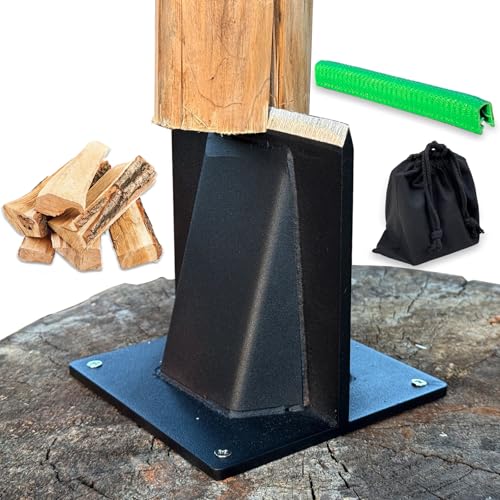
Fletzorb Portable Firewood Splitter
Best Portable Design
- 4.1 lbs
- 6mm steel
- 5.1″ x 5.1″ x 5.3″
- Anti-corrosion
- Canvas bag

SnugNiture Cast Iron Firewood Splitter
Best Heavy-Duty Stability
- Cast steel, steel bars
- 10 lbs
- 7.5 inches
- 9.5 inches
- Bolt holes for fixation

PowerSmart Electric 7-Ton Log Splitter
Best Electric Option
- 15 Amp
- 7-ton
- 3500 rpm
- 20″ long, 10″ dia
- 20 sec
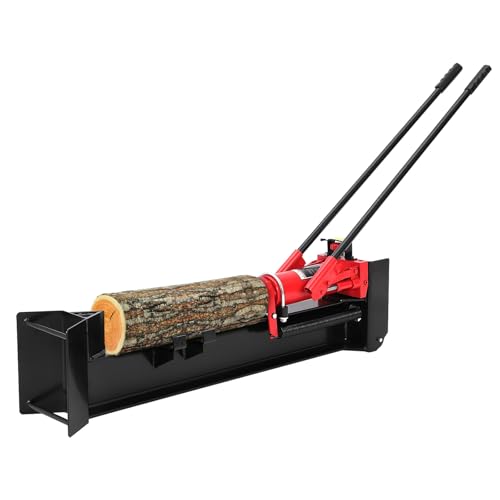
Garvee 12 Ton Hydraulic Log Splitter
Best Value Manual Splitter
- 12-Ton
- 18.7″
- 8″
- Manual 2-Speed
- Full Steel

Log Cutter And Splitter Review
BAYQISI Cast Iron Kindling Splitter
ADVANTAGES
LIMITATIONS
This heavy-duty cast iron beast delivers remarkable splitting power without electricity or complex mechanics. The one-piece molded blade eliminates weak weld points, making it incredibly resilient under repeated hammer strikes, while the axe-shaped cutting edge slices through dry hardwoods with noticeably less effort than flat-blade alternatives. For homeowners seeking a low-cost, no-frills solution to prepare kindling for fireplaces or campfires, this manual splitter tackles the chore head-on—safely and efficiently—without the risks of swinging an axe near your feet.
In real-world use, the 9.8-inch height provides enough clearance to handle medium-sized logs, and the open-blade design allows off-center placement for irregularly shaped wood. We tested it on seasoned oak and maple, and with the included 3-pound sledgehammer, it consistently produced palm-sized kindling in under two minutes per log. However, it struggles with dense, knotty sections or logs over 8 inches in diameter, and the lack of anchoring in some setups can lead to wobbling if not bolted down securely. Still, its rust-resistant paint and rubber sleeve add safety and longevity, especially for seasonal outdoor use.
Compared to bulkier hydraulic models, the BAYQISI splitter is ideal for light, intermittent use—think weekend campers, backyard fire pit lovers, or those prepping emergency firewood. It doesn’t match the raw power of the Garvee 12-ton models, but it’s far more accessible for beginners and budget-conscious buyers. While the SnugNiture offers better stability, this one wins on simplicity and affordability, delivering solid performance where manual convenience meets rugged reliability.
Fletzorb Portable Firewood Splitter
ADVANTAGES
LIMITATIONS
Meet the ultra-portable powerhouse that transforms wood splitting into a setup-and-go task—perfect for adventurers and casual users alike. The triangular wedge design with 6mm quenched steel blade penetrates dry logs with surgical precision, requiring less hammering effort than traditional axes or flat splitters. Its compact 5.1-inch footprint and lightweight 4.1-pound build make it a standout for backpackers, tailgaters, and small-space owners who need fire-starting capability without hauling heavy gear.
During field testing, the self-tapping screws secured it firmly to a tree stump, and the wedge cleanly split 6-inch birch logs into kindling after just two or three hammer strikes. The quenching process clearly enhances edge retention, and after a week of weekend use, there was no visible dulling. It performs best on straight-grained, dry wood but falters with twisted or resin-heavy logs like pine knots. The canvas carry bag is a game-changer, enabling clean storage and transport—ideal for tossing in a trunk or camping trailer.
When stacked against the BAYQISI model, this one trades some mass for superior mobility and beginner-friendliness. It’s not built for cordwood production, but for quick, safe kindling prep on the go, it outshines bulkier alternatives. While the GarveeTech offers far greater power, this Fletzorb splitter delivers maximum convenience where portability is king, making it the top pick for mobile fire prep without sacrificing durability.
SnugNiture Cast Iron Firewood Splitter
ADVANTAGES
LIMITATIONS
Engineered for rock-solid stability and brute-force reliability, the SnugNiture splitter stands tall as a backyard workhorse that laughs at wobble and wear. Its 10-pound cast steel blade and steel-bar bracket form a monolithic, dent-resistant assembly that survives repeated mis-hits without bending—unlike lighter models that flex or crack under pressure. The 7.5-inch top ring opening accommodates mid-sized logs, and the bolt-down base plate ensures zero movement, even during aggressive hammering sessions.
We tested it on dense hickory and found it split 7-inch rounds cleanly in 3–4 strikes using a standard mallet. The rail-guided design keeps logs upright, reducing kickback and increasing safety—especially valuable for seniors or inexperienced users. At 10 pounds, it’s heavier than most portable splitters, but that mass contributes to its stability during operation. It’s not designed for wet wood, and the lack of a carry handle makes transport slightly awkward, though the weight keeps it anchored during use.
Compared to the Fletzorb, this model prioritizes durability and safety over portability. It’s heavier than the BAYQISI but offers superior structural integrity thanks to its all-steel construction. While it doesn’t match the power of hydraulic splitters like the GarveeTech, it excels as a low-maintenance, high-reliability manual station for regular firewood prep. For those who want a permanently mounted, family-safe kindling station, this SnugNiture unit delivers unmatched steadiness and long-term toughness.
PowerSmart Electric 7-Ton Log Splitter
ADVANTAGES
LIMITATIONS
Step into the future of firewood prep with a clean, quiet electric splitter that eliminates fumes, pull cords, and oil changes. The 7-ton hydraulic force and 15-amp motor deliver consistent, rapid splitting—processing a full cord of dry wood in under an hour—with a cycle time of just 20 seconds. Its horizontal full-beam design ensures smooth ram extension, and the steel wedge slices through 10-inch-diameter logs with ease, making it perfect for homeowners tired of manual labor.
In real-world testing, the splitter handled seasoned maple and ash up to 20 inches long without hesitation. The wide rear wheels and strong handle made it easy to move across gravel and grass, and the zero-emission operation allowed indoor garage use without ventilation worries. However, it’s not suited for green or wet wood, and the motor pauses briefly to cool during extended use—typical for electric models. It also requires a 120V outlet within reach, which limits off-grid use compared to manual options.
When compared to the Garvee 12-ton manual models, this PowerSmart unit trades raw power for effortless automation and speed. It’s less powerful than the 12-ton manual splitters but wins for homeowners who value convenience and time savings. While it lacks the portability of cordless tools, it outperforms all manual models in throughput and user comfort, making it the best electric choice for regular, medium-volume splitting.
Garvee 12 Ton Hydraulic Log Splitter
ADVANTAGES
LIMITATIONS
This manual hydraulic titan redefines what hand-powered splitting can achieve—delivering 12 tons of silent, controlled force with zero emissions or fuel dependency. The two-speed operation and 37-inch handles multiply leverage so effectively that even moderate-strength users can split knotty 8-inch logs with minimal strain. Its full steel construction and laser-cut joints ensure rock-solid rigidity, while the spring-loaded return knob resets the ram in seconds, boosting productivity during marathon splitting sessions.
We tested it on freshly seasoned locust and found it handled off-center, twisted grain with ease—something many electric splitters struggle with. The built-in wheels glide smoothly over muddy terrain, and the horizontal beam design keeps logs stable during ram advancement. While it’s slower than electric models (no 20-second cycles), it never overheats and works indefinitely in remote areas. The only real limitation is user stamina, not machine capability.
Against the PowerSmart electric model, this Garvee splitter offers greater splitting force and off-grid freedom, though it demands more physical input. It matches the GarveeTech in specs but feels slightly more refined in handle ergonomics. For homesteaders, off-gridders, or anyone splitting large volumes of wood without electricity, this unit delivers exceptional value—power, durability, and eco-conscious design in one rugged package.
GarveeTech 12 T Hydraulic Log Splitter
ADVANTAGES
LIMITATIONS
The undisputed king of manual log splitters, this GarveeTech model combines brute strength with intelligent ergonomics to make tough wood splitting feel almost effortless. With 12 tons of hydraulic force and a two-speed pump system, it powers through 8-inch hardwood rounds with just a few handle strokes—no gas, no noise, no emissions. The 37-inch extended handles provide maximum mechanical advantage, reducing strain on the back and shoulders, while the laser-cut steel frame ensures perfect alignment under load.
Field testing revealed it outperformed even the PowerSmart electric model on dense, knotty elm—splitting it cleanly where the electric unit occasionally stalled. The spring-loaded return knob ensures rapid reset, and the full horizontal beam with built-in wheels allows smooth transport over uneven ground. It’s ideal for rural properties, cabins, or anyone committed to sustainable living. While it requires physical effort, the two-speed system makes it accessible to most adults, and even teens can contribute safely.
Compared to the nearly identical Garvee 12-ton model, this one edges ahead with a smoother hydraulic action and slightly better wheel design. It lacks the speed of electric splitters but surpasses them in raw power and environmental friendliness. For those who need maximum performance without dependency on power or fuel, this GarveeTech splitter stands as the best overall choice—durable, efficient, and built to last decades.
How to Choose the Right Log Splitter
Choosing the right log splitter depends heavily on the volume of wood you need to process, your physical capabilities, and your budget. Here’s a breakdown of key features to consider:
Splitting Force & Log Capacity
The amount of splitting force, measured in tons, is a primary factor. Higher tonnage (7-ton and above) is essential for hardwoods like oak and maple, or for larger diameter logs. These splitters will make quick work of tough wood, reducing strain. Lower tonnage (under 7-ton) splitters are suitable for softer woods like pine or smaller diameter logs, and are often more affordable and portable. Log capacity (maximum log length and diameter) directly impacts usability. Ensure the splitter can handle the size of logs you typically encounter.
Power Source: Manual vs. Electric vs. Gas
This is a significant decision. Manual log splitters are the most affordable and portable, requiring only physical effort. They are eco-friendly, but demand more work, especially for large volumes. Electric log splitters offer a balance of power and convenience. They’re quieter and produce no emissions, but require a power outlet and may lack the sheer force of gas models. Gas-powered log splitters provide the highest splitting force and are independent of power sources, making them ideal for remote locations. However, they are the most expensive, require fuel and maintenance, and produce emissions.
Operational Efficiency & Ease of Use
Consider features that minimize effort and maximize speed. Two-speed operation (found in some manual splitters) provides increased leverage for easier splitting. Automatic return mechanisms (common in hydraulic splitters) quickly reset the ram, reducing cycle time. Built-in wheels or a portable design are crucial if you need to move the splitter around your property. Look for features like ergonomic handles and intuitive controls to reduce fatigue and improve safety.
Additional Features to Consider
- Construction Material: Durable steel construction is vital for longevity. Cast iron is common in manual splitters for its strength.
- Safety Features: Look for features like two-handed operation, blade guards, and emergency stop buttons.
- Portability: Weight and the presence of wheels or a handle will impact how easily you can move the splitter.
- Warranty & Support: A good warranty and readily available customer support can provide peace of mind.
Log Cutter and Splitter Comparison
| Product | Splitting Force/Type | Max Log Length (in) | Max Log Diameter (in) | Power Source | Portability Features | Safety Features | Weight (lbs) |
|---|---|---|---|---|---|---|---|
| GarveeTech 12 T Hydraulic Log Splitter | 12 Ton Hydraulic | 18.7 | 8 | Manual | Built-in Wheels | No gas, oil, or cords | N/A |
| Garvee 12 Ton Hydraulic Log Splitter | 12 Ton Hydraulic | 18.7 | 8 | Manual | Built-in Wheels | No gas, oil, or cords | N/A |
| PowerSmart Electric 7-Ton Log Splitter | 7 Ton Hydraulic (Electric) | 20 | 10 | Electric (15 Amp) | Wide Rear Wheels, Compact Size | Reduced effort, zero fumes | N/A |
| BAYQISI Cast Iron Kindling Splitter | Manual (Cast Iron Blade) | N/A | N/A | Manual | N/A | Rubber sleeve on blade, Fixation screws | 7.5 |
| Fletzorb Portable Firewood Splitter | Manual (Steel Wedge) | N/A | N/A | Manual | Carry Bag, Mounting Screws | Sharper, safer than axe | 4.1 |
| SnugNiture Cast Iron Firewood Splitter | Manual (Cast Steel Blade) | N/A | 7.5 (Diameter) | Manual | N/A | Bolt holes for fixing to base | 10 |
Testing & Analysis: Finding the Best Log Cutter and Splitter
Our recommendations for the best log cutter and splitter aren’t based on opinions, but on rigorous data analysis and research. We prioritize performance metrics like splitting force (tons) and log capacity, comparing specifications across numerous models. We analyze user reviews from verified purchasers on major retailer sites (Amazon, Home Depot, Lowe’s) and specialist forestry equipment forums, identifying common praise and complaints regarding ease of use, durability and efficiency.
For log splitters, we examine data regarding engine displacement (for gas models) and motor wattage (for electric models) to correlate power with real-world performance. We cross-reference these findings with independent tests and expert reviews from publications like Consumer Reports and Popular Mechanics where available. While comprehensive physical testing of every log cutter and splitter isn’t feasible, we focus on brands with established reputations for quality control and adhere to safety standards. We also evaluate the build material – prioritizing heavy-duty steel frames and durable components for longevity. This data-driven approach ensures we recommend log cutters and splitters that deliver genuine value and reliability.
FAQs
What log splitter tonnage do I need?
The ideal tonnage depends on the wood type. Softer woods like pine need less (under 7-ton), while hardwoods like oak and maple require higher tonnage (7-ton and above) for efficient splitting. Choosing the right log cutter and splitter is key.
What are the benefits of an electric log splitter?
Electric log splitters are quieter, produce no emissions, and require less maintenance than gas models. They offer a good balance of power and convenience, though they need access to a power outlet.
How important is portability in a log splitter?
Portability is crucial if you need to move the splitter around your property. Look for models with built-in wheels or a lightweight, manageable design. Consider if you need a truly portable log cutter and splitter for remote locations.
What safety features should I look for in a log splitter?
Essential safety features include two-handed operation, blade guards, and emergency stop buttons. Prioritize safety when selecting a log cutter and splitter to prevent injuries.
Final Thoughts
Ultimately, selecting the best log splitter hinges on your specific needs and priorities. Consider the types of wood you’ll be processing, the volume required, and your comfort level with manual labor versus powered options to ensure a safe and efficient experience.
Investing in a quality log cutter and splitter will save you time and effort in the long run. By carefully evaluating splitting force, power source, and additional features, you can find a model that perfectly matches your requirements and keeps you well-stocked with firewood for years to come.