You’re staring at an empty water bottle, ready to transform it into a seed starter or storage container, but you realize you don’t have scissors or a knife. Don’t toss that plastic just yet—cutting a plastic bottle without cutter tools is surprisingly achievable with everyday household items. Millions of DIY enthusiasts face this exact challenge when repurposing bottles for crafts, gardening, or home organization projects.
Cutting plastic bottles without traditional tools isn’t just possible—it’s often safer and more accessible than you think. From using hot water to dental floss, you can achieve clean, professional-looking cuts with items already in your kitchen or toolbox. This guide reveals proven techniques that work with whatever you have on hand, complete with safety precautions and project-specific tips to ensure success on your first attempt.
Heat-Based Cutting Methods That Actually Work
Transform Plastic with Hot Water Softening
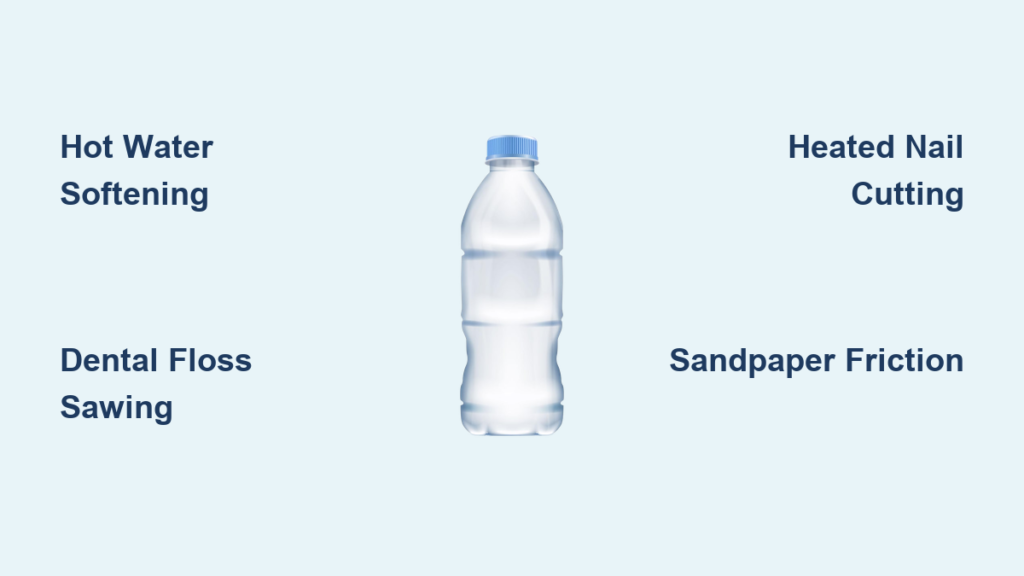
Fill your plastic bottle with steaming hot tap water and let it sit for 2-3 minutes until the plastic becomes flexible. The heat transforms rigid PET plastic into a pliable material you can manipulate safely. Once softened, create your starting point by pinching the plastic where you want to cut, then tear along a pre-marked line using your thumb and forefinger.
This method works exceptionally well for creating planters from 2-liter soda bottles. The softened plastic tears cleanly, leaving smooth edges that require minimal finishing. Pro tip: Work over a towel-covered surface to catch spills and protect your workspace from heat damage.
Precision Cuts with Boiling Water Immersion
Submerge the section you want to cut in boiling water for 30-45 seconds using tongs for safety. Remove carefully and immediately press a metal ruler along your marked line to create a crisp crease. The targeted heating creates a precise softening zone where you can make your cut.
Once cooled, the bottle snaps cleanly along the creased edge, giving you factory-like results. This technique shines when you need perfectly straight cuts for matching container sets or when creating multiple identical planters.
DIY Hot Knife Technique for Clean Edges
Heat a butter knife, metal ruler, or large nail over your stove burner until hot but not glowing. Hold the heated metal with pliers for safety and press it gently along your cutting line. The hot metal melts through the plastic smoothly, creating sealed edges that won’t fray.
Reheat the metal every few inches to maintain cutting temperature. This method excels for detailed work like creating decorative patterns or precise openings for bird feeders. Critical safety: Work near an open window to vent plastic fumes and keep cold water nearby for emergencies.
Sharp Household Object Techniques for Precision Cuts

Create Scissors from Nail Clippers and File
Use nail clippers to create a small starting hole at your cutting line, then insert a metal nail file through this hole. Saw back and forth along your marked line—the file’s abrasive surface gradually wears through the plastic. This technique takes patience but produces remarkably clean cuts.
For thicker bottles, make multiple shallow passes rather than forcing through in one go. The key is maintaining consistent pressure and angle while moving the file steadily along your line.
Can Opener Precision for Bottle Neck Cuts
Your kitchen can opener becomes an unexpected plastic-cutting hero. Clamp the opener onto the bottle’s edge and rotate it as you would with a can. This method works beautifully for removing bottle tops or creating straight cuts near the neck.
The rotary cutting wheel creates consistent, even cuts without requiring significant force. This technique particularly shines when making multiple identical cuts for sets of storage containers or decorative items. You’ll achieve professional results with minimal effort.
Hammer and Nail Scoring System for Straight Lines
Position a large nail at your starting point and gently tap it with any heavy object to create a pilot hole. Once started, use the nail to score along your cutting line by dragging it while applying pressure. Score the line 3-4 times to create a deep groove.
Place the scored line over a table edge and apply downward pressure. The bottle snaps cleanly along the scored line, giving you factory-perfect edges. This method works best on straight bottle sections away from curved areas.
String and Friction Methods for Perfect Circular Cuts
Dental Floss Sawing for Level Cuts
Wrap ordinary dental floss around the bottle at your cutting height. Tie it securely and pull back and forth in a sawing motion. The friction generates surprising heat, gradually cutting through the plastic without requiring special tools.
This method creates perfectly level cuts around cylindrical sections. It works especially well for creating uniform planters from multiple bottles. The floss acts like a hot wire, melting through the plastic while maintaining straight cutting lines.
Sandpaper Friction Cutting for Complete Control
Wrap medium-grit sandpaper around the bottle at your cutting line. Rub vigorously back and forth, applying consistent pressure. The friction generates enough heat to gradually wear through the plastic.
This technique offers exceptional control—you determine the cutting speed and can stop at any point. It’s perfect for creating custom shapes or when you need to make adjustments mid-cut. For curved edges, wrap the sandpaper around a dowel for better access.
Project-Specific Cutting Tips for Immediate Results

Seed Starting Containers with Perfect Drainage
Cut bottles 2-3 inches from the bottom for ideal seed-starting depth. Use a heated nail to create 4-5 drainage holes in the base. The clear plastic acts like a mini greenhouse, trapping moisture and heat for faster germination.
For hanging planters, cut the bottle in half and invert the top portion as a built-in watering funnel. This creates a self-watering system that prevents overwatering delicate seedlings while using minimal materials.
Custom Storage Solutions from Everyday Bottles
Transform bottles into nesting storage containers by cutting straight across the middle. Use the bottom portions for organizing small items like screws, beads, or craft supplies. The top sections become instant funnels for kitchen or garage use.
Create snap-on lids by cutting slightly larger bottles and fitting them over your container openings. This creates airtight storage for dry goods or small hardware without needing additional materials.
Troubleshooting Common Cutting Problems
Fixing Uneven Cuts Without Starting Over
Uneven cuts usually result from rushing or not following your marked line. Reheat the affected area with hot water and trim carefully using scissors or your preferred cutting method. Take your time—precision beats speed every time.
For minor unevenness, sand down high spots using progressively finer grit sandpaper. Start with medium grit and finish with fine grit for polished edges that look professionally finished.
Preventing Cracks and Splits During Cutting
Cracks develop when plastic is too cold or when excessive force is applied. Always warm bottles to room temperature before cutting, especially if they’ve been stored in cold areas. Use gentle, consistent pressure rather than forceful movements.
For existing cracks, reinforce the area with clear tape on the interior surface. This prevents the crack from spreading and maintains the bottle’s structural integrity while you finish your project.
Safety-First Edge Treatment for Finished Projects
Smoothing Rough Edges Without Special Tools
Transform sharp, potentially dangerous edges into smooth, safe surfaces. Wrap medium-grit sandpaper around a dowel or marker to create a curved sanding tool for rounded edges.
For flat edges, use a nail file or emery board in gentle, consistent strokes. The goal is removing burrs while maintaining the bottle’s structural integrity. Spend extra time on edges that will be handled frequently.
Professional Edge Sealing for Child-Safe Projects
Pass cut edges briefly through a lighter’s flame to melt and seal plastic fibers. Keep the flame moving and work quickly—just 1-2 seconds prevents burning while creating smooth, rounded edges.
For child-safe projects, cover sharp edges with colorful electrical tape or decorative duct tape. This adds visual appeal while eliminating cutting hazards, making your repurposed bottles safe for school projects or kids’ crafts.
Material Considerations for Different Bottle Types
Working with Clear vs. Colored Plastic Bottles
Clear PET bottles (soda and water bottles) become brittle when cold—always warm these to room temperature before cutting. Colored HDPE containers (milk jugs, detergent bottles) require different heating times due to varying plastic compositions.
Test any heat method on a small, inconspicuous area first. Different plastics respond differently to heat, and some may warp or discolor at lower temperatures than others. Adjust your technique based on the bottle’s reaction.
Essential Safety Protocols for All Methods
Create a safe workspace before starting any cutting project. Clear your area of flammable materials when using heat methods. Keep a bowl of cold water nearby for cooling heated objects and treating minor burns.
Wear safety glasses to protect from plastic shards, especially when using snapping or breaking techniques. Long sleeves provide protection from both heat and sharp edges—better safe than sorry when working with repurposed materials.
Transforming empty plastic bottles into useful household items requires no special tools—just the right techniques and a bit of patience. Whether you’re creating seed-starting containers, organizing small items, or crafting decorative projects, these methods let you cut plastic bottles safely and effectively using items you already have at home. Start with the hot water method for your first project—it offers the best balance of safety and effectiveness. Your next DIY project awaits—grab that empty bottle and start cutting today!